Athletic Recovery
Compression boots, massage tools, and recovery gear for people who train and pay for it the next morning.
Recovery you can feel is not the same as recovery you can measure, and this category runs on the confusion between the two. Pneumatic boots feel excellent, and the honest summary of the research is that they reliably reduce how sore you report being, while the evidence for faster return of actual performance is thin and mixed. That is not a reason to avoid them. It is a reason to buy them for the reason they work rather than for a claim on the box.
So the reviews grade on the practical side. Sleeve length and calf circumference, because boots sized for a 40 cm calf are unusable on a 46 cm one. Pressure range in mmHg and whether the chambers inflate in sequence or together. Cycle length, because a device with a fixed twenty-minute programme decides your evening for you. Pump noise, since these get used in a living room in front of a television, not in a clinic.
Storage is the quiet dealbreaker. A set of boots plus a pump is a bag the size of a carry-on, and the ones that end up in a cupboard for good are the ones that took four minutes to set up.
Everything in this category sits alongside the boring things that do more: sleep, food, and taking the easy week when the body asks for it. Sharp pain, swelling that does not settle, or a joint that gives way is a matter for a clinician rather than a recovery tool.
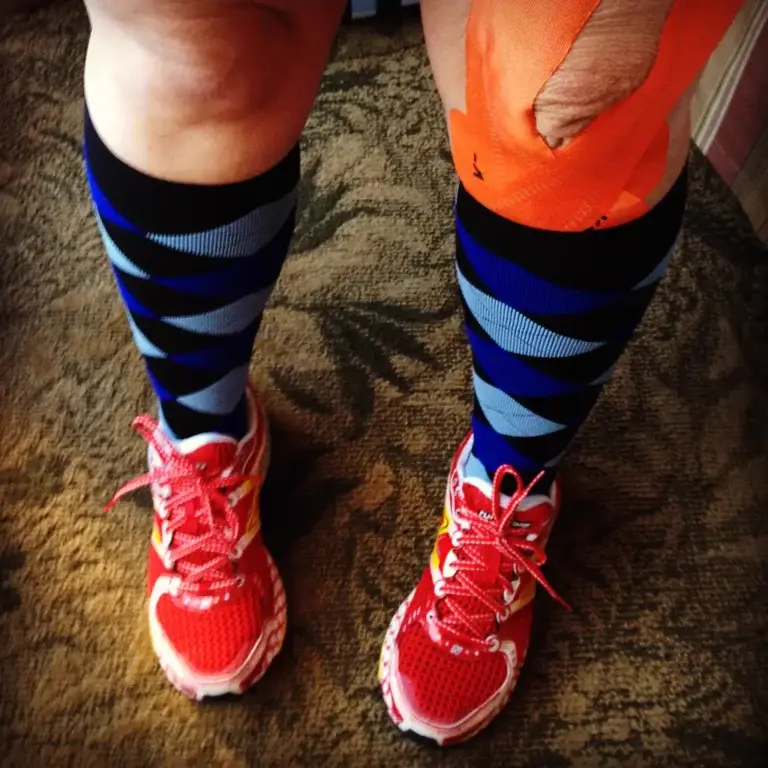
Compression Socks for Nurses: Which mmHg Range to Buy
Most nurses do well with 15-20 mmHg, moving to 20-30 mmHg for long shifts. See how graduated compression works and what to look for beyond the number.
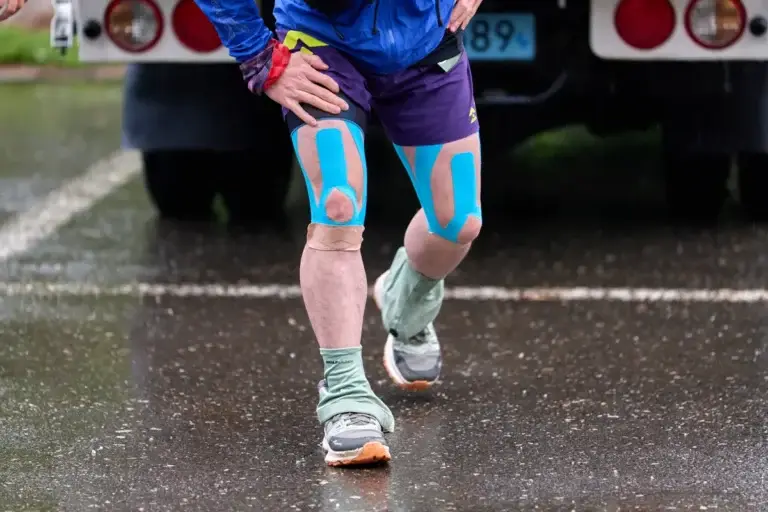
Do You Need Compression Socks for Flying? What the Trials Show
Compression socks show the clearest benefit on flights over 4 hours. See the mmHg range that fits travel and what else supports circulation in the air.
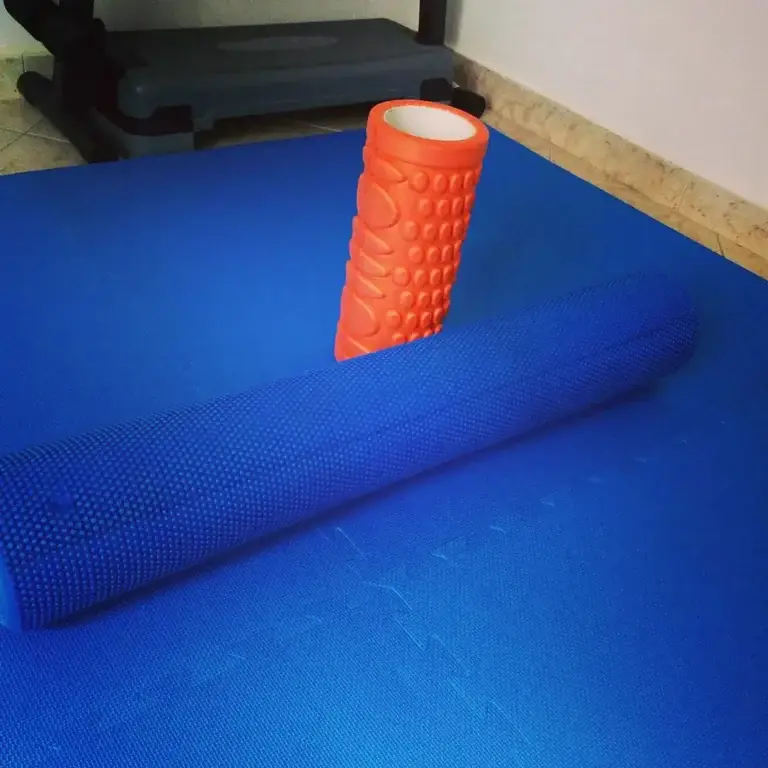
Athletic Recovery Gear: What’s Worth Buying After a Hard Workout
Compression socks and a foam roller give you the most value after a workout. See how each recovery category compares on cost and real-world use.