Ergonomics & Desk Setup
Chairs, desks, monitor arms, and the small fixes that stop a desk job from hurting. Judged on the faults owners report after months of eight-hour days, not on a showroom sit.
The order of operations matters more than the budget. A chair is not the fix if the screen is wrong, because a monitor sitting 20 cm too low pulls the head forward and no amount of lumbar support undoes a head held in front of the shoulders for seven hours. The cheapest useful change most people can make is a stack of books under a laptop and a separate keyboard, and it costs the price of the keyboard.
After that comes the desk, and the desk has a number attached to it. Seat height, desk height, monitor height and standing height all derive from your own stature, which is why we point at the calculator on this site rather than repeating a one-size figure. Getting the desk 4 cm too high forces the shoulders up all day, and people adapt to it instead of noticing it.
Chairs get judged on the parts that fail. Seat depth adjustment, because a seat pan too long for shorter legs cuts behind the knee. Armrest height, because armrests that cannot come down are worse than no armrests. Gas lift quality, because a chair that sinks three centimetres an hour teaches you to sit badly. Mesh that looked breathable in the shop and cuts into the thighs by month four.
We do not sit in these chairs ourselves. We go after the reviews written at month six rather than week one, and we say which faults show up early and which only appear once the gas lift has a year on it. Persistent pain is a reason to see a physiotherapist rather than buy another accessory.
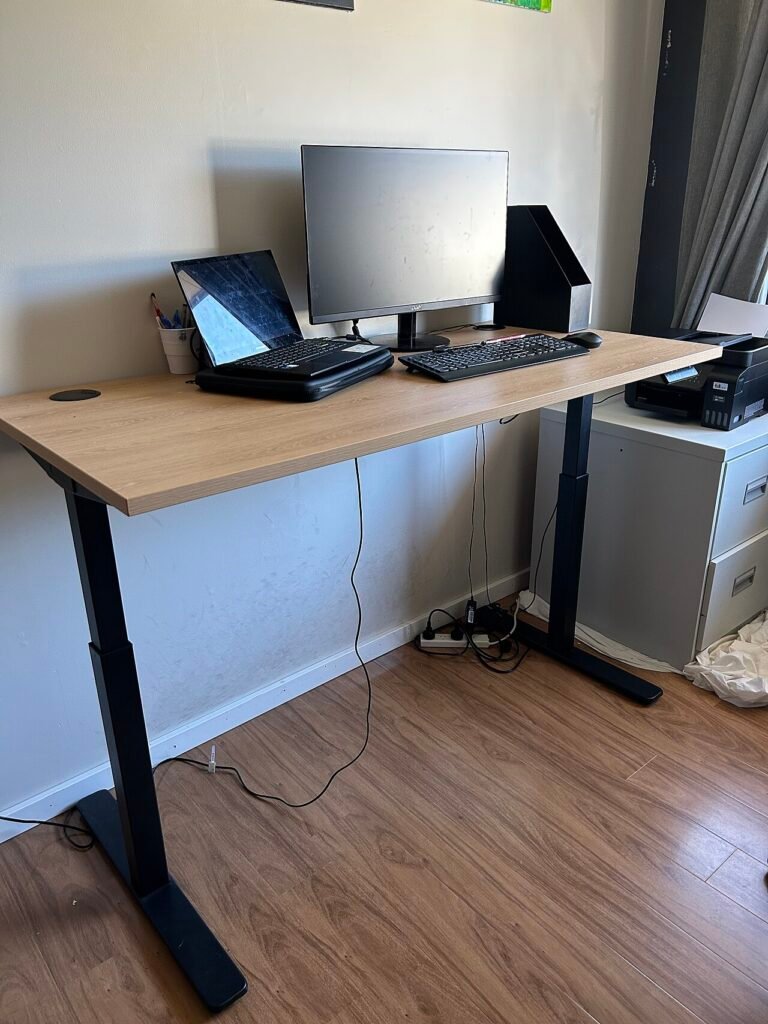
Ergonomics of a standing desk: height, timing and what the research says
A standing desk is set right when your elbows are at 90 degrees or more and the screen rises with the desk. Cornell and CCOHS also say long static standing has costs of its own.
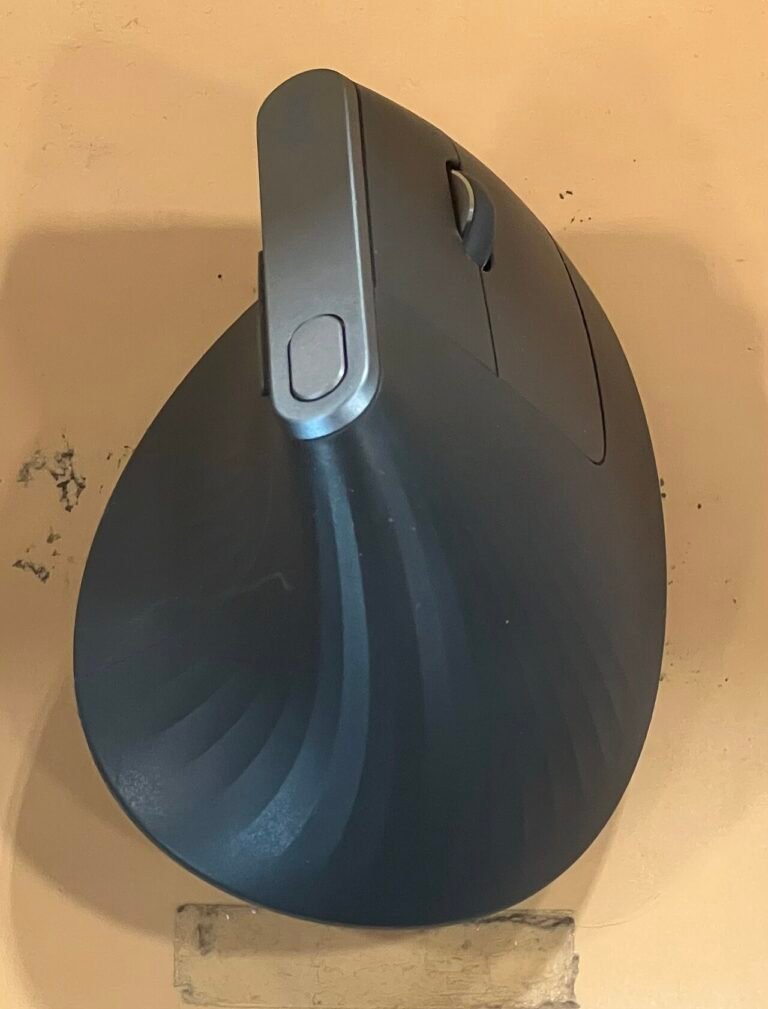
Ergonomic mouse: what research says about vertical versus standard designs
Vertical mice turn the forearm less in small lab studies, but nothing shows they prevent or treat wrist problems. A look at the studies, the CCOHS and NHS guidance, and when symptoms need a doctor.
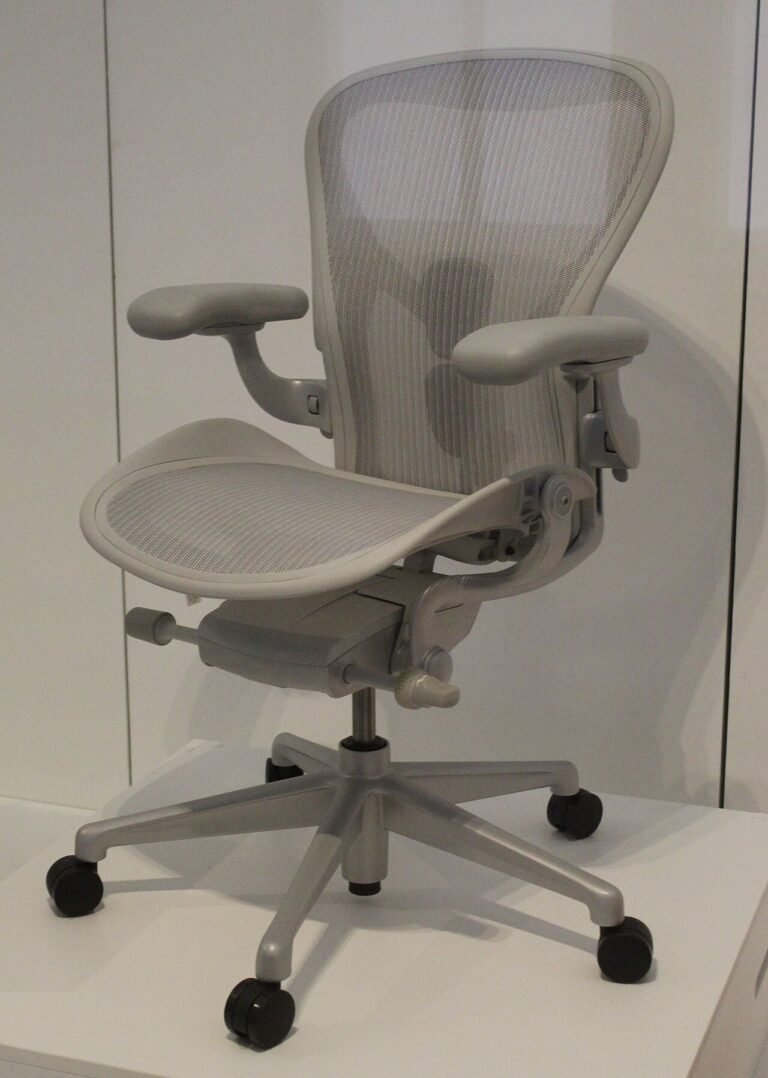
Tailbone pain when sitting: causes, cushions, and when to get it checked
Coccyx pain that flares in a chair usually settles with simple measures, but the evidence on doughnut versus wedge cushions is thin. Here is what institutional sources say, and which signs mean it is time to see a doctor.
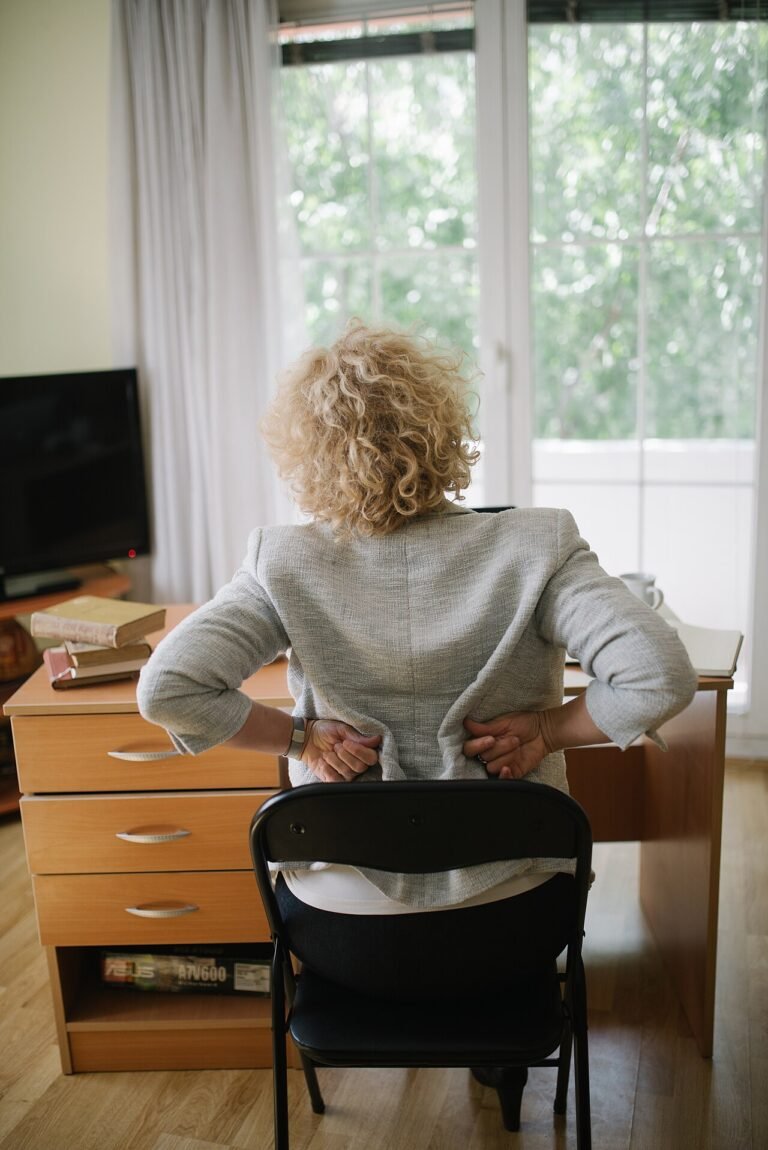
Pain in the middle of the upper back: desk causes and red flags
Most mid-back pain from desk work is a strained muscle that improves with movement and a better setup. Here are the red flags, what the NHS and NIAMS suggest, and the OSHA desk checklist.
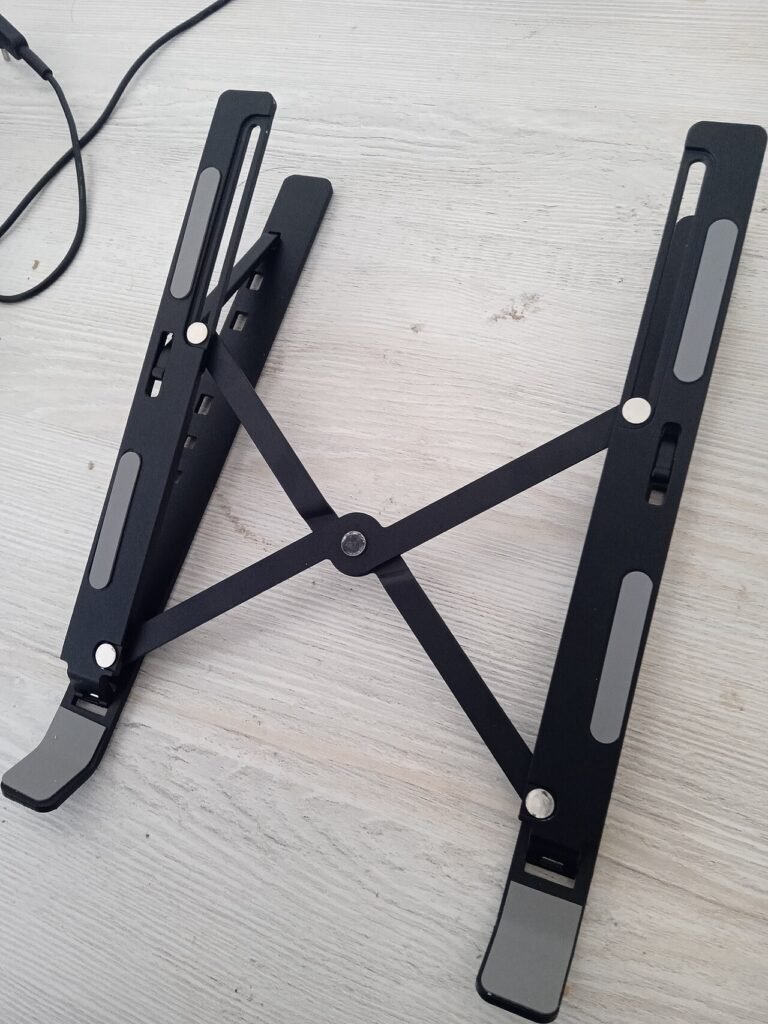
Laptop Ergonomics: Why You Need an External Keyboard and a Riser
The laptop problem is built into the machine: the screen and the keyboard are attached, so you cannot put each at its proper height at the same time.…
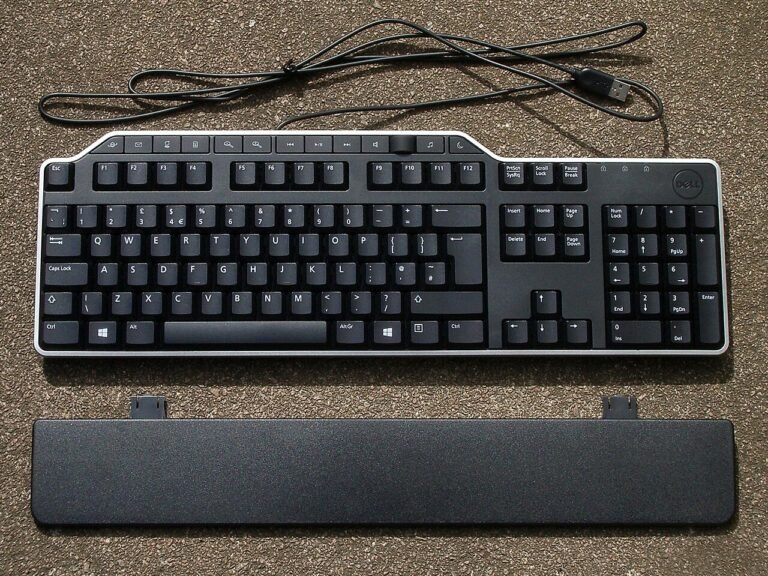
Wrist Rests for Keyboards: What OSHA Says and How to Use One
A wrist rest is a place to pause between bursts of typing, not a place to park your wrists while you type. That is the distinction OSHA draws,…
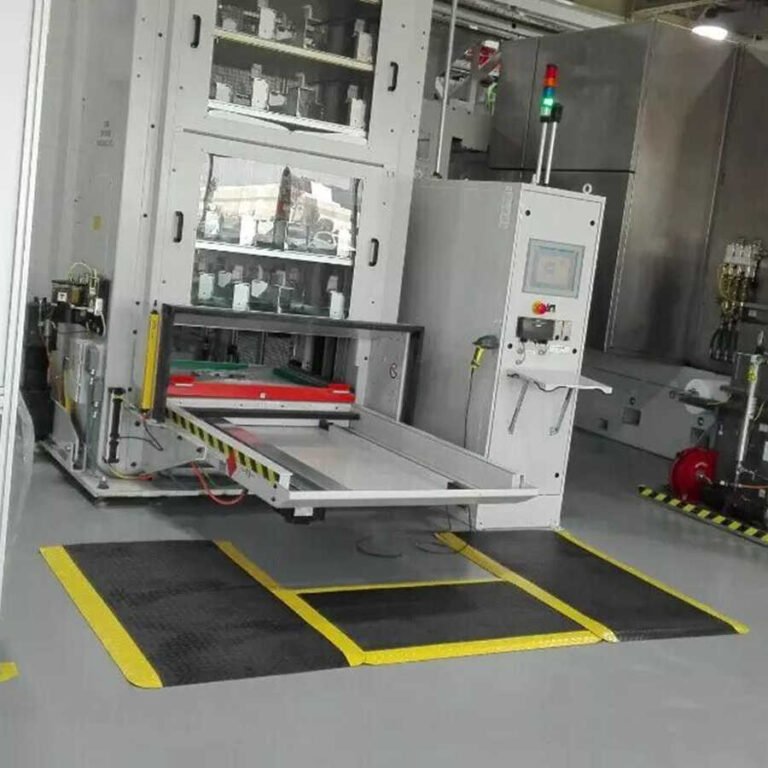
Anti-Fatigue Mats: Why Thicker Is Not Better
No, a thicker anti-fatigue mat is not automatically a better one. The Canadian Centre for Occupational Health and Safety (CCOHS) says it plainly: “softer and thicker may not…

Lumbar Rolls for Car Seats: Where to Put One for Driving Back Pain
A lumbar roll helps when your car seat leaves a gap at the small of your back, and it does nothing for the other reasons a drive can…
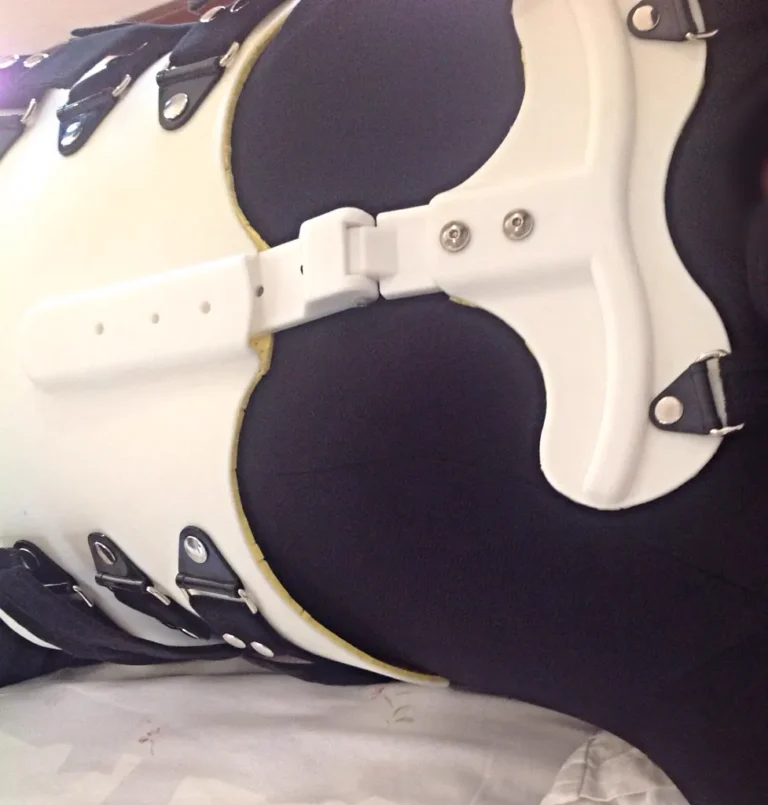
The First Week Wearing a Posture Corrector: What to Expect
What soreness, wear-time ramp-up, and sizing issues look like in the first week with a posture corrector, based on manufacturer guidance and reviews.
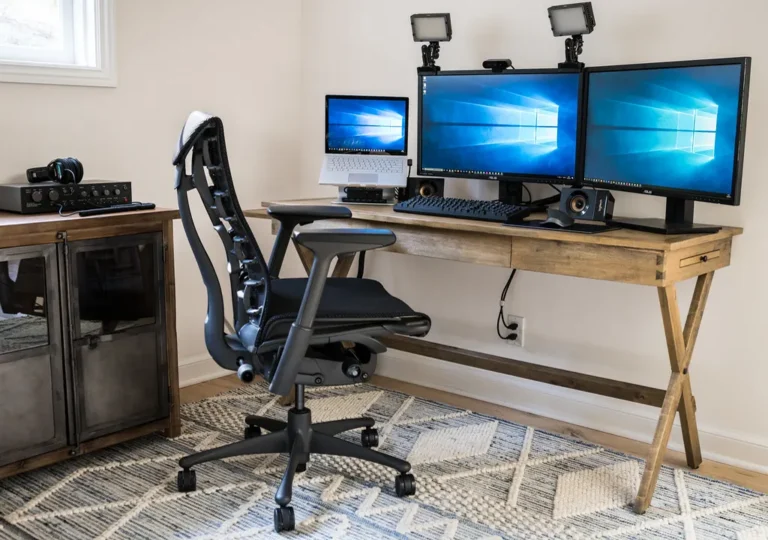
Footrests Under a Standing Desk: Do You Actually Need One?
How to tell in about thirty seconds whether you actually need an under-desk footrest, or if your chair or desk height is the real problem instead.