Massage & Percussion
Massage guns, foam rollers, and percussion tools judged on amplitude and stall force and on what owners report months in, not on spec-sheet RPM.
Two numbers matter on a percussion device and only one of them gets printed on the box. Amplitude, the distance the head actually travels, is what separates a tool that reaches a deep muscle from one that buzzes on the skin: 10 mm and 16 mm feel like different categories of object. Stall force is the other, and it is the number that decides whether the head keeps moving when you lean into it or stops dead the moment there is resistance. A 3200 RPM figure on a device that stalls at 12 kg tells you nothing useful.
Weight and noise decide whether the thing gets used at all. A 1.2 kg gun held at arm’s length behind your own shoulder is heavy after ninety seconds, and a device loud enough to be unusable during a call is a device that waits for a moment that rarely comes. We give the weight the manufacturer lists with the battery in, the noise figure where one is published, and what owners say about using it while somebody else is in the room.
Foam rollers sit in the same category for a reason: for a stiff upper back after a day at a desk, a firm roller and five minutes often does what a gun does, at a tenth of the price. Several of our comparisons end that way, and we would rather say so than sell the more expensive item.
Nothing here is medical advice. Percussion over an acute injury, over swelling, over bone, or near the front of the neck is not a good idea, and pain that keeps coming back is a reason to see a professional rather than buy a stronger tool.
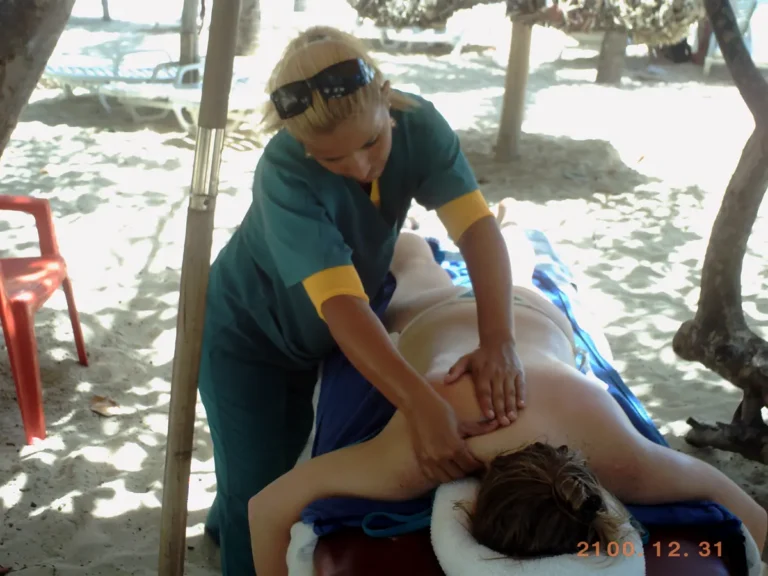
Using a Massage Gun on Your Neck: What Manufacturers Actually Warn Against
Manufacturer manuals consistently warn against the front of the neck and the spine. Here's what guidance actually allows and what it rules out.

Massage Gun Attachments, Explained: What Each Head Actually Does
A quick table maps each attachment shape to its job, from the round head for large muscles to the fork head for beside the spine, plus which ones matter.
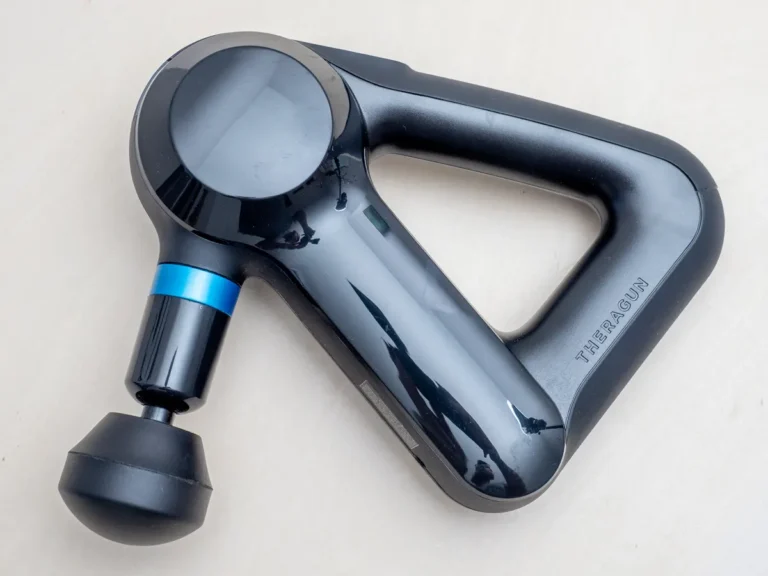
How Long Should You Use a Massage Gun on One Spot?
Manufacturer guidance points to 30 to 120 seconds per muscle and 10 to 15 minutes total per session. Here's how the timing actually breaks down by area.
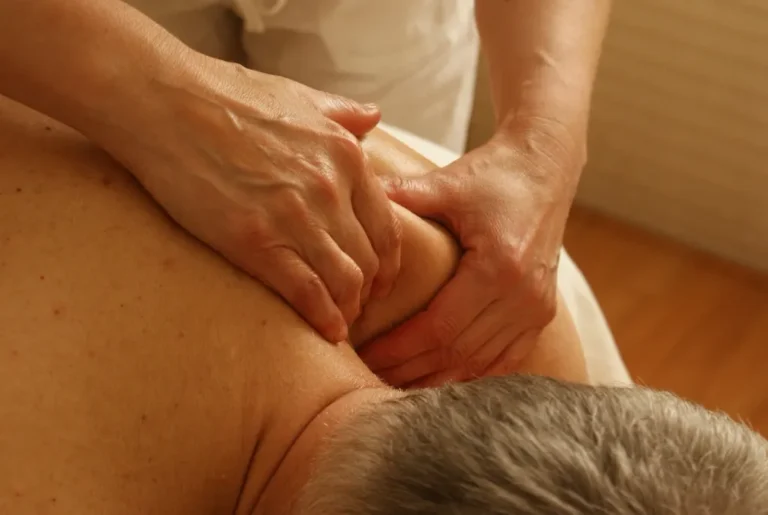
Quiet Massage Guns: Published Decibel Claims Compared
Six massage guns buyers describe as genuinely quiet, why noise varies by motor and setting, and what to check besides decibel claims before you buy.
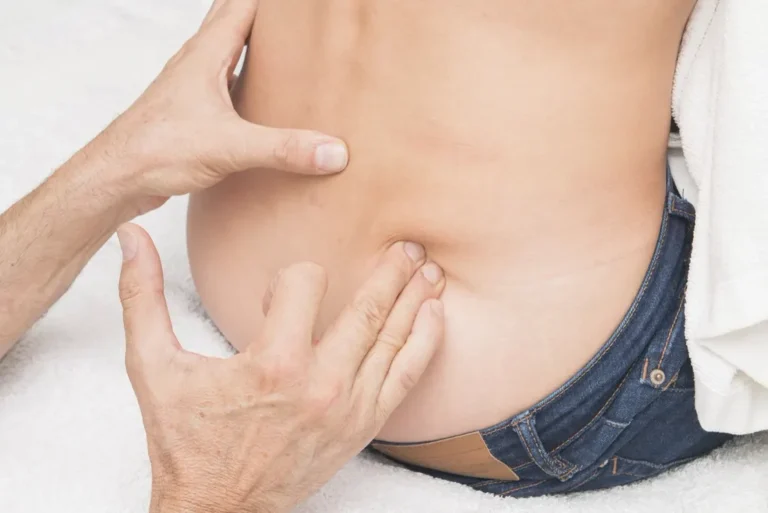
Products People With Sciatica Discomfort Add to Their Routine
A look at the massage guns, heat products, and habits people with sciatica discomfort add to their routine, including where to avoid using a massage gun.
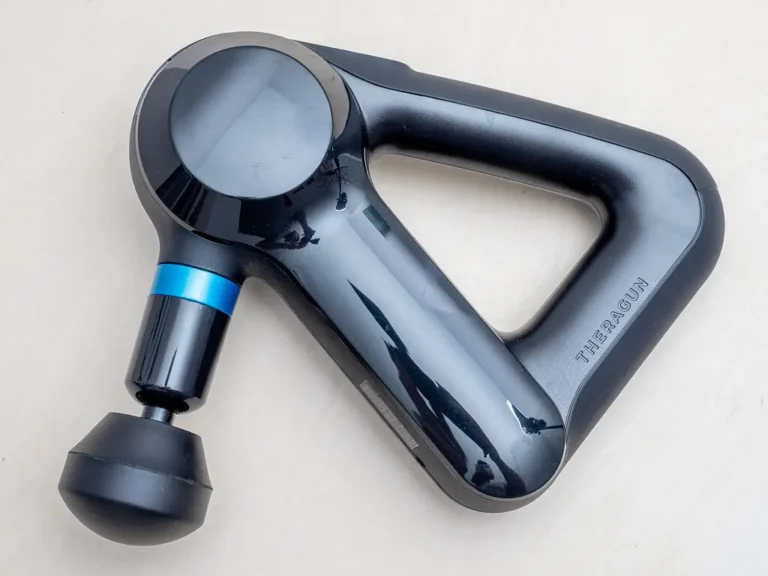
Percussion Massage Guns: A Buyer’s Guide for Sore, Tight Muscles
A buyer's guide to percussion massage guns: what amplitude and stall force mean, what to expect to spend, and how to choose one for sore, tight muscles.
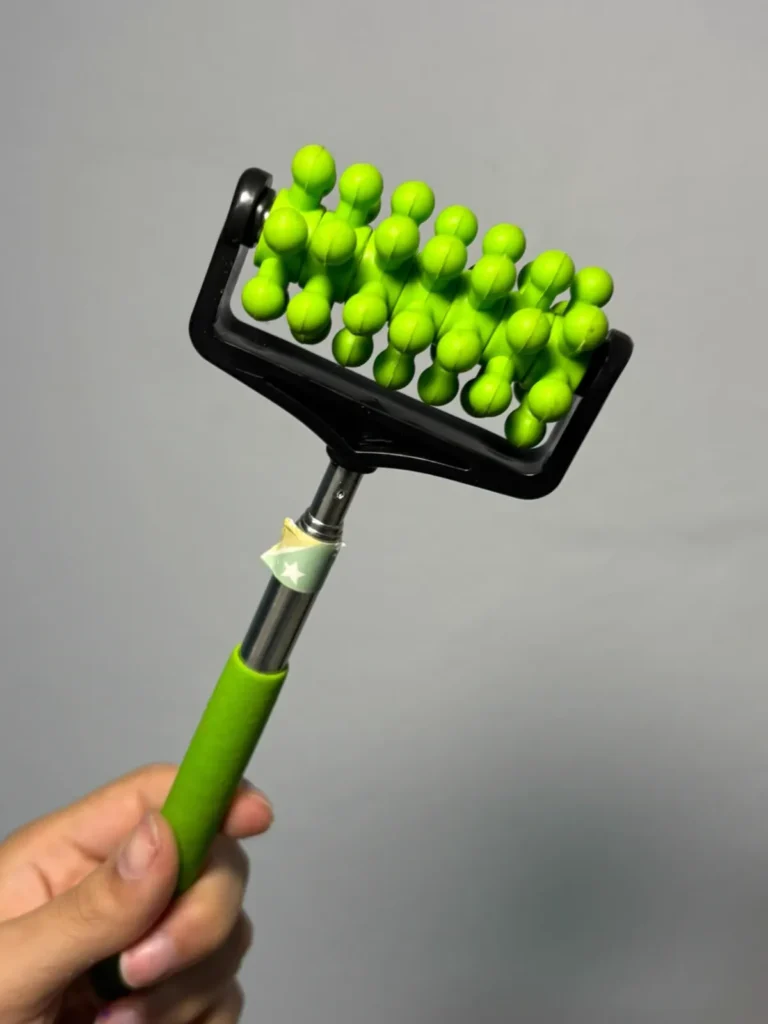
The Best Massage Guns Under $100 in 2026
Our top pick for a massage gun under $100 in 2026, plus two runner-ups, what you give up at this price, and what to skip when shopping.