Relief for Body is reader-supported. When you buy through links on our site, we may earn an affiliate commission. This doesn't affect our verdicts.
People dealing with sciatica discomfort tend to reach for a handful of product categories again and again: percussion massage guns used carefully on the glutes and lower back, not along the nerve itself, plus heat, and sometimes a foam roller for the surrounding muscles. None of these are treatments. They’re comfort tools people add to a broader routine, often alongside guidance from a physical therapist or doctor.
Sciatica has causes, and a percussion device addresses none of them. What follows is about the hardware, not medical advice. What to do about the nerve is a question for a clinician.
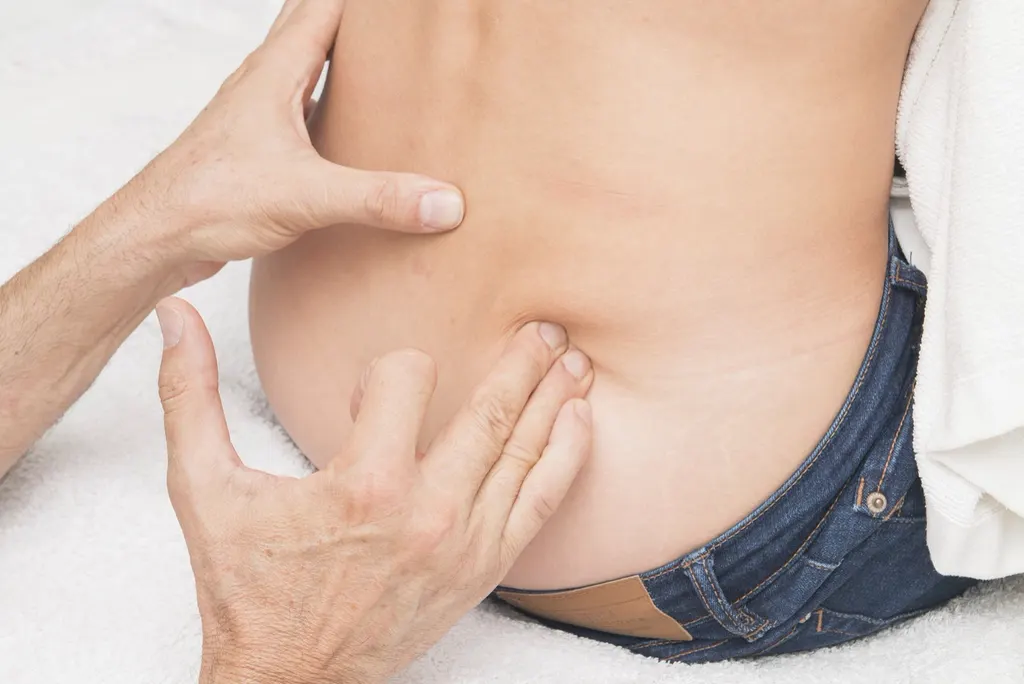
Sciatica discomfort usually traces back to irritation or compression somewhere along the sciatic nerve, often connected to the piriformis muscle or the lower back. A massage gun doesn’t reach the nerve directly and isn’t marketed to. What it can do is work the surrounding muscles, like the glutes and lower back, that tend to tighten up around an irritated nerve. Loosening those muscles is a different thing from treating the underlying cause, and it’s worth being honest about that distinction before buying anything.
Which products do people with sciatica discomfort buy?
Three categories cover most of what people actually buy: percussion massage guns, in the same range covered in our full massage gun buying guide; compression or heat wraps for the lower back; and foam rollers for the glutes and hamstrings. Of the three, massage guns get mentioned most for spot work on the glutes, since a handheld device reaches that area more easily than a foam roller does without needing to get on the floor.
A lower amplitude setting and a softer attachment head are the common preference here. A deep, aggressive setting on an already-irritated area is a common complaint in review threads, not a recommendation.
Renpho Massage Gun
A frequently mentioned entry-level pick for working the glutes and lower back gently.
- Includes a softer, rounded attachment head suited to sensitive areas
- Lower price point makes it a common first purchase for this use case
- Multiple speed settings, useful for starting low and adjusting
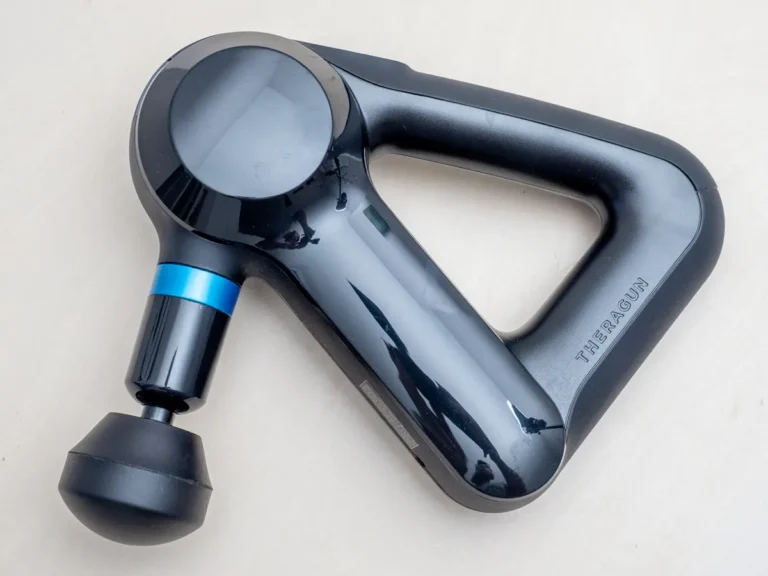
Theragun Prime
A step up in build quality and attachment variety, for people who want more control over intensity.
- Wider range of speed settings for dialing in a gentle pass
- Ergonomic grip designed for reaching your own glutes and lower back
- Comes with a soft attachment head, commonly recommended for this area
How do people typically use a massage gun for this?
The general pattern reported by buyers is short passes, thirty seconds to a minute per area, on the glute muscle rather than directly over the sciatic nerve’s path down the leg. Working along the nerve itself is something people specifically avoid, based on discussion in physical-therapy-adjacent forums. The goal is the surrounding muscle, not the nerve.
Low and slow tends to be the reported preference: a lower speed setting, a softer head, and stopping if anything feels sharp or worse afterward rather than better. That last point matters enough that it’s worth repeating outside of the standard disclaimer. A tool that makes things feel worse isn’t something to push through.
What do people use alongside a massage gun for this?
Heat is the other product category that shows up in the same routines, generally applied to the lower back before or after using a massage gun on the glutes. If you want the fuller comparison between heat and cold products and when people reach for each, our guide to quiet massage guns covers a related concern worth knowing about first: noise. A loud motor isn’t just an annoyance if you’re trying to use one carefully and quietly at home, and some of the gentler-use cases described here overlap with apartment or shared-space use.
Compression products also show up in this space, particularly for people who spend long stretches sitting, which is a common aggravating factor people report. If you’re deciding between a massage gun and a compression-based product as a first purchase, we’ve laid out the tradeoffs in our massage gun versus compression boots comparison.
Does sitting all day make it worse?
Long stretches in a desk chair come up constantly in the same buyer threads as a factor people associate with flare-ups, particularly when a wallet or phone sits in a back pocket and tilts the pelvis for hours at a time. Standing up every so often, adjusting chair height, and keeping weight off a compressed glute muscle are the practical, non-product habits that go alongside whatever gear you buy. A massage gun or heat wrap addresses the muscle tension that builds up from sitting. It doesn’t change the sitting itself, which is why most people treat the two as separate problems that need separate fixes.
Some buyers also mention timing sessions around a workday, using a massage gun on the glutes for a minute or two during a break rather than saving it for the end of the day once discomfort has already built up. Whether that pattern helps varies a lot person to person, and it’s the kind of thing worth tracking for yourself rather than assuming from a forum post.
Some of what people reach for first makes it worse. Our heat or cold tool flags the symptoms that mean you should stop treating it at home and see someone.
What should you skip if you’re dealing with this?
Skip anything marketed with the word “cure” attached to sciatica. That phrasing shows up on low-quality listings and is a reliable signal to look elsewhere, since no over-the-counter device treats a nerve issue. Also skip high-amplitude, high-stall-force guns marketed for athletes if this is your primary use case. More power isn’t better here, and a gentler, adjustable model tends to serve this use case better than a top-tier one built for post-workout recovery on large muscle groups.
If pain radiates down the leg, includes numbness, or gets worse rather than better with rest, that’s a signal to talk to a healthcare provider rather than try another product. A comfort tool has a real but limited role, and knowing where that limit sits matters more than which model you buy.
Verdict
Start with a lower-cost, softer-head option like the Renpho if you’re not sure a massage gun will help at all. Move to something like the Theragun Prime only once you know gentle glute work is part of what helps.
Frequently asked questions
Can a massage gun help with sciatica discomfort?
Some people report that working the glute and lower back muscles with a massage gun, on a low setting, eases surrounding tightness. It doesn’t address the nerve itself, and it’s not a substitute for a healthcare provider’s guidance.
Where should you avoid using a massage gun if you have sciatica discomfort?
Most people avoid running the device directly along the path of the sciatic nerve, down the back of the leg. The common approach is working the glute muscle itself, on a gentle setting, rather than the nerve line.
What amplitude or setting is best for sciatica discomfort?
A lower amplitude, around 10mm to 12mm, with a soft rounded attachment head, is what most buyers report using for this. A high-power setting built for post-workout recovery is generally considered too aggressive for this use case.
Is a massage gun better than a foam roller for sciatica discomfort?
They target similar muscles, but a massage gun reaches the glutes more easily without getting on the floor. Some people use both. Neither is a treatment for the underlying nerve issue.
When should you stop using a massage gun and see a doctor instead?
If discomfort radiates further down the leg, includes numbness or weakness, or worsens rather than improves over a few sessions, that’s a reason to stop and talk to a healthcare provider rather than continue on your own.
If you’re still deciding what to buy first, start with our full massage gun buying guide for the specs that matter, or our roundup of the best massage guns under $100 if budget is the deciding factor.
From the Relief for Body desk
Every guide here is built from the manufacturer’s own documentation, published safety guidance, and the pattern in what owners report over months of use, not from a lab or a clinic. Nothing is sponsored, and verdicts are settled before any affiliate link goes in. We are not clinicians, and nothing on this site replaces one. How we review explains the process.
This article is general information, not medical advice. If pain is sharp, persistent, or getting worse, see a clinician.
Google lets you pick which sites come up first in your own results.