Athletic Recovery
Compression boots, massage tools, and recovery gear for people who train and pay for it the next morning.
Recovery you can feel is not the same as recovery you can measure, and this category runs on the confusion between the two. Pneumatic boots feel excellent, and the honest summary of the research is that they reliably reduce how sore you report being, while the evidence for faster return of actual performance is thin and mixed. That is not a reason to avoid them. It is a reason to buy them for the reason they work rather than for a claim on the box.
So the reviews grade on the practical side. Sleeve length and calf circumference, because boots sized for a 40 cm calf are unusable on a 46 cm one. Pressure range in mmHg and whether the chambers inflate in sequence or together. Cycle length, because a device with a fixed twenty-minute programme decides your evening for you. Pump noise, since these get used in a living room in front of a television, not in a clinic.
Storage is the quiet dealbreaker. A set of boots plus a pump is a bag the size of a carry-on, and the ones that end up in a cupboard for good are the ones that took four minutes to set up.
Everything in this category sits alongside the boring things that do more: sleep, food, and taking the easy week when the body asks for it. Sharp pain, swelling that does not settle, or a joint that gives way is a matter for a clinician rather than a recovery tool.
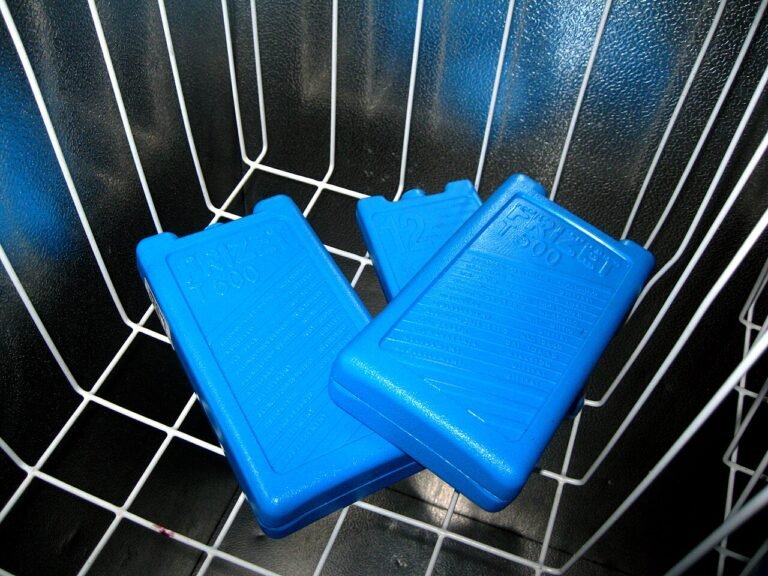
Ice pack for neck pain: what the guidance says about cold, heat and skin safety
Cold first, heat later, and a towel between you and either is the common thread in institutional advice on neck strain. Here is what each source says, where they differ, and which symptoms mean a call to a doctor.
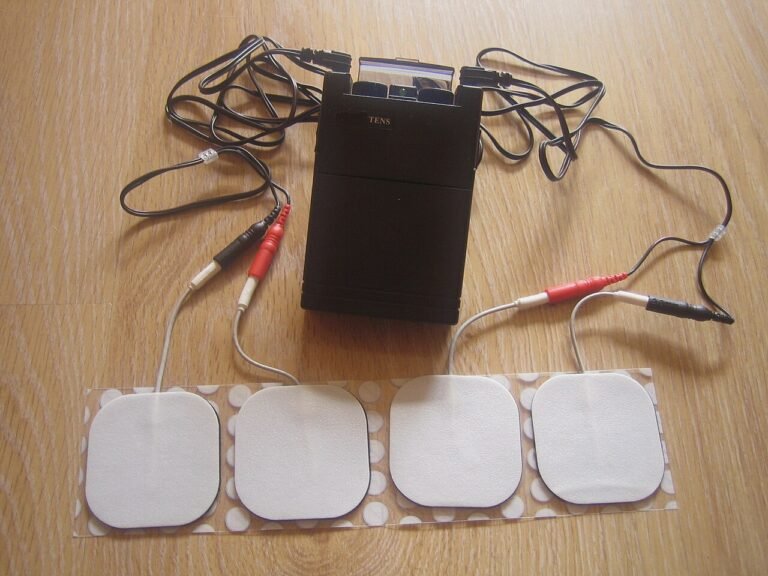
TENS Unit Safety: Who Should Skip It and Where Pads Must Never Go
Several groups of people should not use a TENS unit at all, and several body areas are off limits even for people who can. Cleveland Clinic lists an…

Do Heating Pads Turn Off Automatically? Shut-Off Times by Brand
Auto shut-off timers cut power after a set time. Here is why manufacturers add them, typical windows by pad type, and what to check before buying.

Compression Socks for Runners: What the mmHg Numbers Mean
The mmHg number on a compression sock label sets how firm it is. Here's what the four standard ranges mean and when to ask a clinician first.

Electric, Microwavable, or Chemical Heating Pads: What’s the Difference?
Electric, microwavable, and chemical heating pads work differently. Here is how they compare on heat duration, cost, and which fits a situation.
TENS Unit vs Massage Gun: Which One Suits Your Day?
A TENS unit runs hands-free while you sit; a massage gun works in two minutes after activity. Which suits your day, plus the safety list that matters.
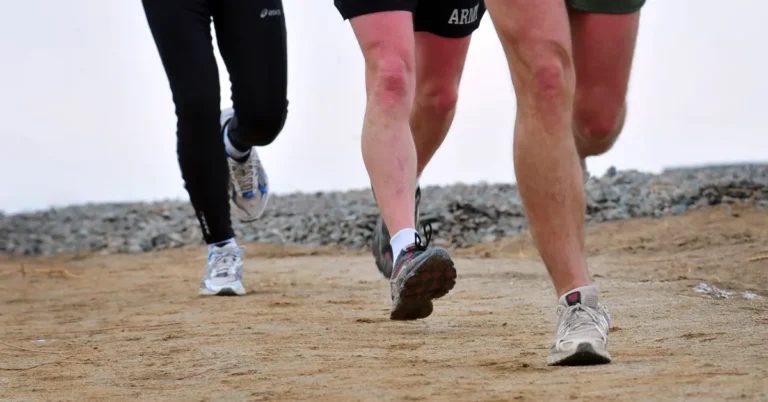
Are Recovery Boots Worth It, or Is That Money Better Spent Elsewhere?
Recovery boots cost 15-20x more than compression socks for a similar circulation boost. See the real cost-per-use math before you buy a pair.

How Long to Ice an Injury, and How Often
Straightforward guidance on how long to leave an ice pack on, how often to reapply it, and when heat is the better call for everyday aches instead.
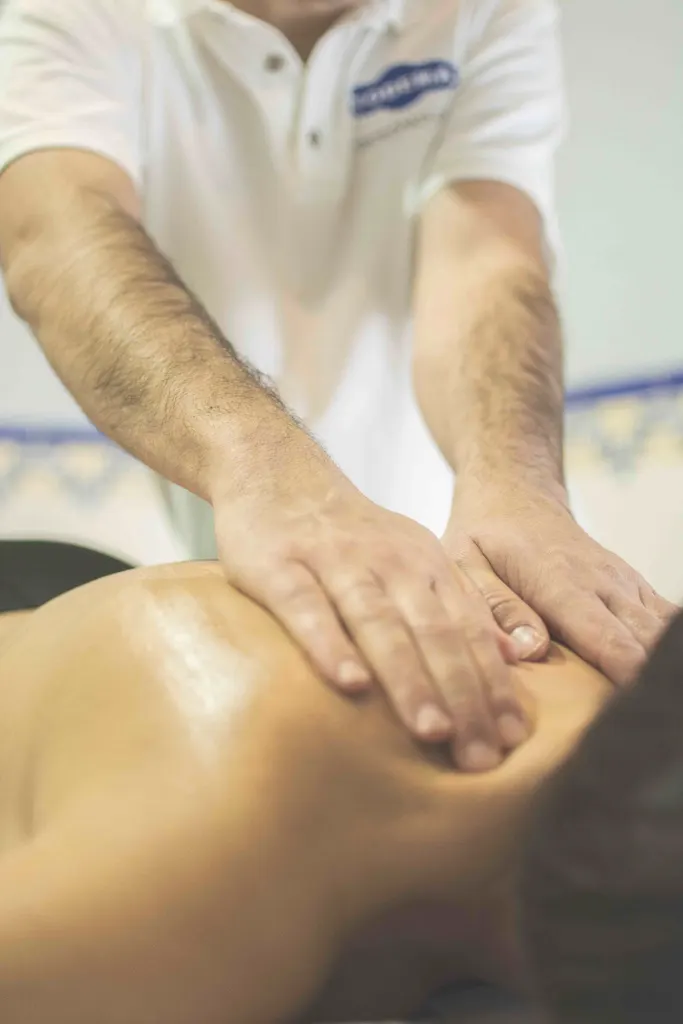
Heating Pads for Lower Back Discomfort at a Desk
How to pick a heating pad that sits well on a desk chair, how long to use it safely, and whether it beats fixing your ergonomic setup instead.
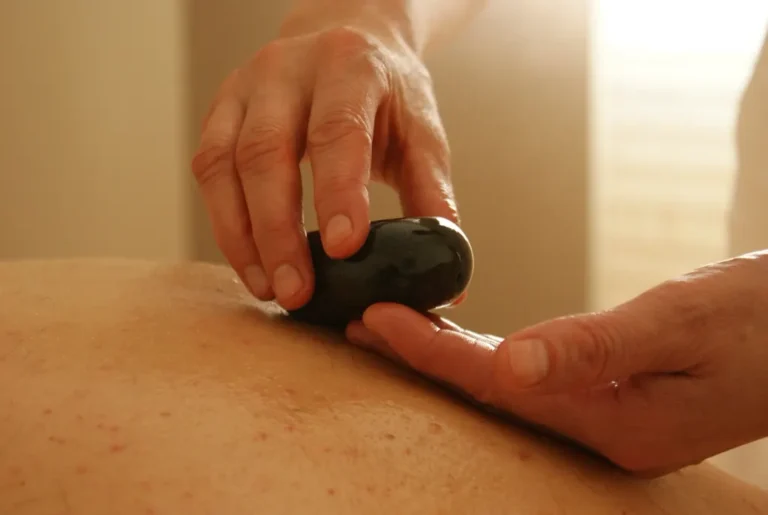
Heat or Cold: A Practical Guide to Choosing Between Them
A practical, disclaimer-first comparison of heat and cold therapy: what each does, which products fit which situation, and how to use both safely.