Relief for Body is reader-supported. When you buy through links on our site, we may earn an affiliate commission. This doesn't affect our verdicts.
The general rule of thumb: reach for cold in the first 24 to 72 hours after a fresh strain, twist, or swollen joint, and reach for heat for stiffness, tension, or an old ache that isn’t swollen. Cold calms things down. Heat loosens things up. Most of the confusion people have with this comes from not knowing which state their body is actually in.
How do you know which one you need?
Ask one question first: is anything swollen, hot to the touch, or freshly injured? If yes, that’s a cold-pack situation. Ice narrows blood vessels near the surface, which is generally the goal right after a rolled ankle, a bumped knee, or a strained muscle that’s already puffing up. If the answer is no, and what you’re dealing with is more of a dull, tight, “I’ve been hunched over a keyboard for six hours” ache, heat tends to be the more comfortable pick. It widens blood vessels and relaxes tissue instead of calming it down.
There’s a middle case that trips people up: an old injury that flares up again without new swelling. Once swelling is gone, heat is usually the more comfortable option, even if the area was originally injured. The 72-hour mark is a rough guide, not a hard cutoff your body checks against a clock.
What does cold do?
A cold pack pulls heat away from the skin and the tissue underneath it. That drop in temperature narrows the small blood vessels near the surface, which is why cold is the standard first step for a fresh sprain, a bruise, or anything visibly swollen. It also has a numbing effect on the skin, which is part of why an ice pack feels good on something that’s actively sore.
The tradeoff is that cold can make stiff, tense muscle feel tighter rather than looser. If your lower back is stiff from sitting all day but nothing is swollen, fifteen minutes of ice usually won’t do much beyond feeling briefly numb. For the mechanics of application time and frequency, our guide to how long to leave an ice pack on walks through the general 15-to-20-minute window people are typically advised to use.
What does heat do differently?
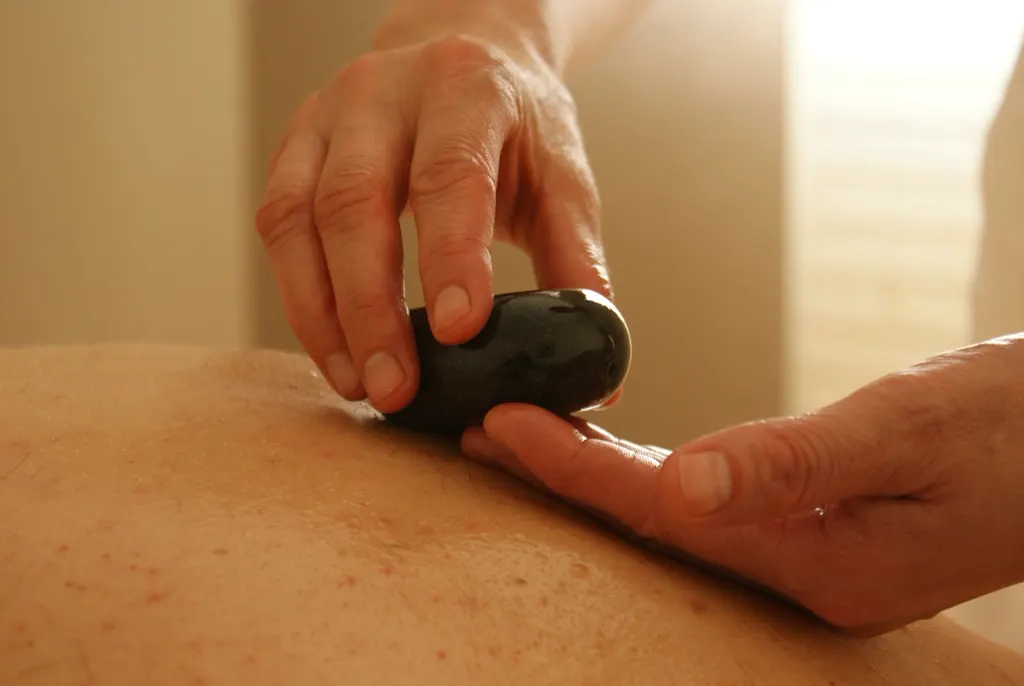
Heat widens blood vessels instead of narrowing them, which increases blood flow to the area and tends to relax muscle fiber. That’s the mechanism behind why a heating pad feels good on a tight neck or a lower back that’s been locked in a desk chair since eight in the morning. It’s a comfort effect, not a medical one; it doesn’t reduce swelling, and applying heat to something freshly swollen usually makes it feel worse, not better.
Desk workers are the single biggest audience for heat products on this site, and for good reason: hours of static sitting create the kind of dull, diffuse tightness heat is genuinely suited for. If that’s your situation, our roundup of heating pads sized for a desk chair covers shapes that fit under you instead of sliding off.
Moist versus dry heat
Moist heat, like a damp towel warmed in the microwave or a steam-based wrap, tends to penetrate a bit faster than dry electric heating pads, according to physical therapy patient handouts from several major health systems. Dry heat is more convenient for all-day desk use since it doesn’t need reheating. Neither is dramatically better; it’s mostly a comfort preference.
Why does temperature change how something feels?
The short version, without getting into anatomy textbooks: nerves that carry temperature signals and nerves that carry pain signals travel along overlapping pathways. Cold and heat both compete with discomfort signals for the same “bandwidth,” which is part of why either one can make a sore spot feel better in the moment even though neither is fixing what caused it. Cold also has a genuine numbing effect on nerve endings near the skin, while heat’s main effect is relaxing the muscle fiber itself and bringing more blood flow to the area.
None of this is unique or complicated. It’s the same reason a hot shower feels good on a stiff back and an ice pack feels good on a fresh bruise. The products in this guide are just more convenient, more targeted versions of that same basic physics.
How do you apply either one safely?
A few habits matter more than which product you buy. Always put a thin towel or the pack’s fabric cover between the pack and bare skin, whether it’s hot or cold. Direct contact for an extended period is how people end up with an ice burn or a heat burn, and it happens more easily than most expect, especially for anyone with reduced sensation in the area. Check your skin partway through a session; it should look pink, not white, mottled, or bright red. If you fall asleep with a heating pad on regularly, an auto shut-off timer is worth paying extra for, since prolonged unsupervised heat on one spot is a real burn risk.
People with diabetes, poor circulation, or any condition that affects skin sensation are generally advised by manufacturers and physical therapists to be more cautious with both heat and cold, since reduced sensation makes it harder to notice a burn forming before it happens. If that applies to you, it’s worth checking with a healthcare provider before adding either to a regular routine.
How often you use either one depends on why you’re using it. For a fresh strain, a common pattern is a short cold session every couple of hours for the first day, tapering off as swelling settles. For ongoing stiffness with no injury behind it, plenty of people use a heating pad daily, in the evening, with no particular downside beyond the habit of remembering an auto shut-off timer. There’s no universal schedule that fits everyone; if a routine isn’t making a noticeable difference after a couple of weeks, that’s a reasonable point to check in with a provider instead of assuming a stronger product will help.
There is a shorter route to the answer. Our heat or cold tool asks four questions about when it started, what caused it, whether it is swollen and how it feels, then returns one of the two, or tells you to have it looked at instead.
Which format should you buy?
Within “cold” and “heat,” there are a few different product types, and they’re not interchangeable in convenience even if the underlying effect is similar.
Cold: instant packs vs. reusable gel packs
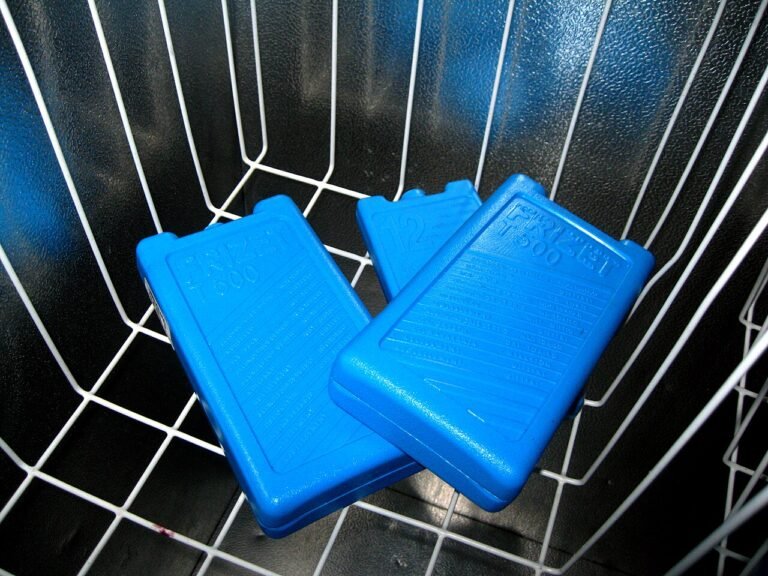
Instant cold packs, the kind you snap to activate, are useful for a first-aid kit or a gym bag because they don’t need a freezer. They’re single-use, though, and the cost adds up if you’re icing something regularly. A reusable gel pack costs more upfront but pays for itself within a handful of uses, and most fit in a standard freezer door.
Heat: electric pads vs. microwavable wraps
Electric heating pads plug in and hold a steady temperature for as long as you want, which suits sitting at a desk or on a couch. Microwavable wraps, usually filled with rice, flaxseed, or a gel bead mix, lose heat gradually over 20 to 30 minutes and need reheating, but they’re cordless and mold better around a shoulder or neck. Neither is objectively better; people who sit still while treating an ache usually prefer the electric pad, and people who want to keep moving usually reach for the wrap instead. Cost is roughly similar between the two once you factor in a wrap’s occasional microwave use against an electric pad’s plug and cord, so the real deciding factor tends to be lifestyle rather than price.
Can you use both in the same day?
Some people alternate, cold first to bring down early swelling, then heat once that’s settled, for something like a strained muscle a few days out. Contrast therapy, switching back and forth between hot and cold in the same session, shows up a lot in athletic training rooms, though the evidence for it beyond general comfort is thin. If you’re already building out a recovery routine, our athletic recovery gear guide ranks where heat and cold products fit relative to massage guns and compression gear.
Verdict
Swollen or fresh, reach for cold. Stiff or tense with no swelling, reach for heat. When in doubt and nothing is swollen, heat is usually the safer, more comfortable default.
What should you buy?
You don’t need both a $60 heating pad and a $40 gel pack to start. Most people are better served picking the one that matches what they deal with most often, then adding the other later if they need it.
TheraPearl Sports Pack
A reusable gel pack that works cold or heated, which covers most people’s needs with one product.
- Freezes flexible instead of going rock-hard, so it molds to a knee or shoulder
- Can also be microwaved for gentle heat, not just chilled
- Typically under $20
Sunbeam XL Heating Pad
A large-format electric pad that covers a full lower back instead of one small spot.
- Multiple heat settings and an auto shut-off timer
- Machine-washable soft cover
- Mid-range price, usually in the $25–$45 range
PureRelief XL Heating Pad
A budget-friendly option with a bigger surface than most standard pads.
- Six heat settings, faster warm-up than smaller pads
- Soft, machine-washable cover
- Typically under $30
None of these need to be a lifetime investment. A reusable gel pack and one decent heating pad together usually run under $60, and that combination covers most of what a household needs without buying separate products for every scenario.
How do heat and cold products compare?
| Situation | Better fit | Typical product |
|---|---|---|
| Fresh sprain or visible swelling | Cold | Reusable gel pack, instant cold pack |
| Tight neck or back from sitting | Heat | Electric heating pad, microwavable wrap |
| Old injury, no current swelling | Heat | Heating pad, warm compress |
| General muscle soreness after activity | Either, based on preference | Gel pack usable both ways |
If you’re setting up a desk that’s contributing to the tightness in the first place, it’s worth pairing whichever product you pick with the fixes in our ergonomic desk setup guide. A heating pad helps in the moment; a monitor at the wrong height keeps causing the problem the next day.
If you use an electric pad, check whether your heating pad turns off automatically and how long its timer runs.
Frequently asked questions
Is it ever bad to use heat on a swollen area?
Generally, yes, according to standard first-aid guidance. Heat widens blood vessels, which can increase swelling rather than calm it down. If something is visibly puffy or hot to the touch, cold is the more commonly recommended starting point.
How soon after an injury should you switch from cold to heat?
A common guideline is 48 to 72 hours, once visible swelling has gone down. That timeline varies by person and by injury, so if you’re unsure, a healthcare provider can help you figure out next steps rather than guessing.
Can you use heat and cold on the same day?
Yes, plenty of people do, especially athletes alternating between the two in what’s sometimes called contrast therapy. Just avoid applying either directly to skin without a barrier, and give your skin a break between applications.
Do heating pads help with lower back stiffness from sitting?
Many desk workers report that a heating pad makes a noticeable difference for end-of-day stiffness, since heat relaxes tense muscle rather than the joint itself. Our guide to heating pads for desk-related back discomfort covers shapes built for sitting.
Is an ice pack or a bag of frozen peas good enough?
A bag of frozen peas works in a pinch and molds well to a joint, but it thaws faster than a purpose-made gel pack and needs a towel barrier to avoid frostbite on skin. For regular use, a reusable pack tends to hold a useful temperature longer.
If you’re still not sure which one fits your situation, default to heat when nothing is swollen and cold when something clearly is. Past that, it comes down to which one feels better to you, and there’s nothing wrong with owning both. A small first-aid kit stocked with one of each covers nearly every situation that comes up in an average household, so you’re not stuck improvising with a bag of frozen peas at ten at night.
From the Relief for Body desk
Every guide here is built from the manufacturer’s own documentation, published safety guidance, and the pattern in what owners report over months of use, not from a lab or a clinic. Nothing is sponsored, and verdicts are settled before any affiliate link goes in. We are not clinicians, and nothing on this site replaces one. How we review explains the process.
This article is general information, not medical advice. If pain is sharp, persistent, or getting worse, see a clinician.
Google lets you pick which sites come up first in your own results.