Relief for Body is reader-supported. When you buy through links on our site, we may earn an affiliate commission. This doesn't affect our verdicts.
Several groups of people should not use a TENS unit at all, and several body areas are off limits even for people who can. Cleveland Clinic lists an implanted device such as a pacemaker, epilepsy, cancer, deep vein thrombosis, bleeding disorders, heart disease and pregnancy among the reasons to avoid TENS. It also says not to place electrodes on the front or side of the neck, the head, the mouth, the eyes or the genitals. If any of that applies to you, the decision is for a clinician, not a product page.
This article explains safety rules that come from clinical sources and does not replace advice from your own provider. Our health disclaimer covers the rest.
What a TENS unit is and what it is not
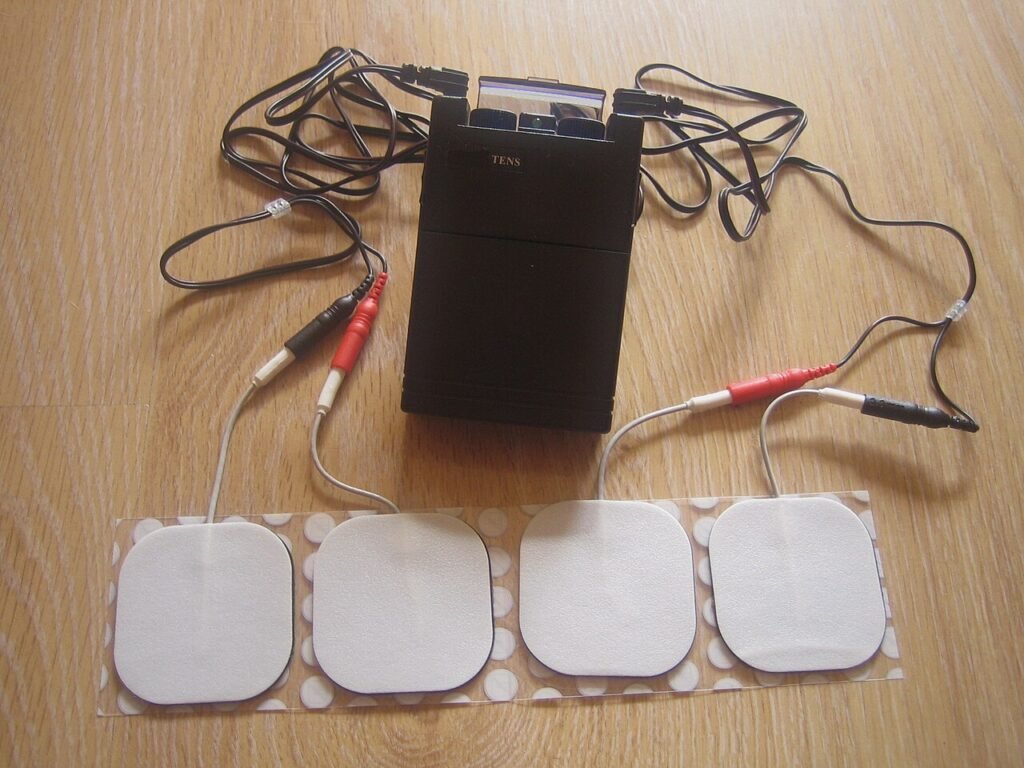
TENS stands for transcutaneous electrical nerve stimulation. A small battery-powered unit sends a mild current through sticky pads on the skin. Cleveland Clinic describes two proposed explanations: the current stimulates nerve cells that block pain signals, or it raises the level of the body’s own pain-relieving chemicals called endorphins. Neither is settled. The same page says more research is needed, and that some studies find TENS relieves pain in many people while others suggest a placebo works just as well.
So a TENS unit is a pain-masking tool with uneven evidence. It does not heal tissue, and it does not tell you what is wrong. Pain relief that begins when the session starts and, for most people, wears off within about an hour of finishing is a reason to keep treating the cause, not a sign the problem has gone.
Who should check with a clinician first
The safest first step is to ask your health care provider before using TENS. The Cleveland Clinic list of people who should avoid it is longer, and it is worth reading line by line before a purchase.
| Situation | Cleveland Clinic guidance |
|---|---|
| Pacemaker or other implanted device | Avoid TENS |
| Epilepsy, heart disease, cancer | Avoid TENS |
| Deep vein thrombosis or a bleeding disorder | Avoid TENS |
| Pregnancy | Avoid TENS |
That is the published list, and individual manufacturers add their own. The instruction leaflet that ships with a specific unit is the controlling document for that unit, and its contraindications can be longer than a general overview. Read it before the first session, not after a strange sensation.
Where pads should never go
Cleveland Clinic names the areas to avoid: infected tissue, damaged skin, varicose veins, eyes, mouth, the front or side of the neck, the head and the genitals. It also lists areas with numbness and areas that have had recent radiation therapy. Numbness deserves a second look because pain relief from TENS depends on feeling the current. If you cannot feel it, you cannot judge whether it is too strong, and that is how skin gets hurt.
The neck rule explains why many people get a surprise. Pads on the lower back or a sore shoulder are common uses, but the front and sides of the neck are off limits, so anything that sits high on the shoulder or at the base of the skull should follow your unit’s leaflet closely rather than a video. The same caution about the neck turns up with percussion devices, and we cover that in using a massage gun on your neck.
A word on placement diagrams. Many units include a body chart showing where to put the pads for the low back, knee or shoulder. This article does not reproduce one, because the sources reviewed here give no placement chart that applies across brands. Follow the chart for your own device, including the spacing it describes.
Practical safety habits
Cleveland Clinic lists the possible side effects: an allergic reaction to the adhesive, uncomfortable prickling or tingling, and, rarely, burns from the electrodes. It says sessions typically last up to 60 minutes. A few habits follow from that.
Put pads on clean, intact skin. Turn the intensity up slowly until you feel a clear tingle that is not painful, rather than starting high. Stop if the skin turns red and stays red, if it blisters, or if the sensation becomes sharp. Do not leave the unit running if you might fall asleep. And remember that if pads stop sticking evenly they stop delivering current evenly, so a worn pad is a replaced pad.
TENS and other gear in the same session
People often ask whether they can layer devices. The practical answer from the comparison in our TENS unit vs massage gun guide is not to run a massage gun over TENS pads still attached to the skin, and not to stack both on one spot at once. If you want warmth rather than electricity, the heat or cold guide covers the plain alternatives. Check your unit’s leaflet before combining it with any heating product.
When to stop and see someone
Pain that is new, severe, getting worse or arriving with numbness, weakness, fever or any change in bladder or bowel control is not a TENS problem. The NHS lists weakness or numbness in both legs, numbness around the genitals or anus, and bladder or bowel changes as reasons to get urgent care. A unit that dulls those symptoms could delay the examination you actually need.
Verdict
A TENS unit is a reasonable thing to ask a clinician about for muscle aches, as long as you have no pacemaker, epilepsy, heart condition or other item on the avoid list, and you keep pads off the neck, head, damaged skin and numb areas. Skip the placement diagrams you find in videos and use the one in your own unit’s leaflet. If the evidence is mixed, as it is, the cost of being careful is small and the cost of ignoring the contraindications is not.
Common questions
Can I use a TENS unit if I have a pacemaker?
Cleveland Clinic lists an implanted device like a pacemaker among the reasons to avoid TENS. Ask the clinician who manages your device before trying one.
Where should I never put TENS pads?
Cleveland Clinic names infected tissue, damaged skin, varicose veins, eyes, mouth, the front or side of the neck, the head, the genitals, numb areas and areas with recent radiation therapy.
How long can a TENS session last?
Cleveland Clinic says sessions typically last up to 60 minutes. Your unit’s leaflet may set a different limit, and that limit takes priority.
Does TENS actually work?
Cleveland Clinic says some studies show it relieves pain in many people and others suggest a placebo works just as well, and that more research is needed.
Sources
- Transcutaneous electrical nerve stimulation (TENS), Cleveland Clinic
- Back pain, NHS
From the Relief for Body desk
Every guide here is built from the manufacturer’s own documentation, published safety guidance, and the pattern in what owners report over months of use, not from a lab or a clinic. Nothing is sponsored, and verdicts are settled before any affiliate link goes in. We are not clinicians, and nothing on this site replaces one. How we review explains the process.
This article is general information, not medical advice. If pain is sharp, persistent, or getting worse, see a clinician.
Google lets you pick which sites come up first in your own results.