Heat & Cold Therapy
Heating pads, ice packs, and contrast-therapy gear. When heat helps, when cold helps, and which products hold their temperature long enough to matter.
The single most common failure in this category is duration. A gel pack that is properly cold for six minutes is a gel pack that does nothing for the fifteen or twenty a session is supposed to last, and the cheap ones go slack and lukewarm well before that. We do not time them ourselves. We go after the buyer reviews that name how long a pack stayed properly cold, and we give that number rather than repeating the packaging.
Heating pads fail differently. The problem is rarely the maximum temperature and usually the auto-off timer, set at 15 or 30 minutes by a manufacturer worried about liability, which is shorter than most people want and cannot be changed. Uneven wire spacing is the other one: a pad with a hot stripe and a cold patch is a pad you keep shifting.
On which to reach for, the short version is that cold suits something that just happened and is swollen, heat suits something stiff and long-standing, and there are cases where the answer is neither. The tool on this site walks through that in four questions.
Burns from both ends are more common than people expect, particularly with a heat pad fallen asleep on, or an ice pack put straight on bare skin. A layer of cloth and a timer solve most of it.
This is general information, not medical advice. Loss of sensation, diabetes, circulation problems and open wounds all change the rules, and those cases belong with a clinician.
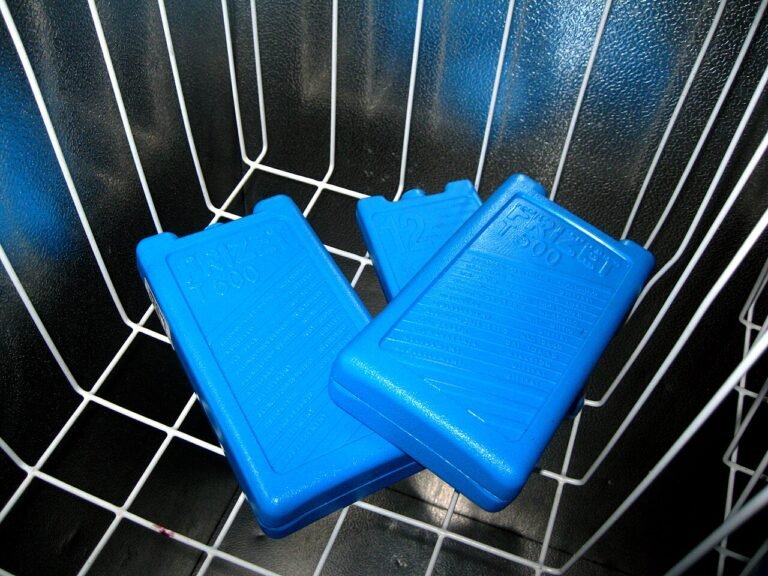
Ice pack for neck pain: what the guidance says about cold, heat and skin safety
Cold first, heat later, and a towel between you and either is the common thread in institutional advice on neck strain. Here is what each source says, where they differ, and which symptoms mean a call to a doctor.
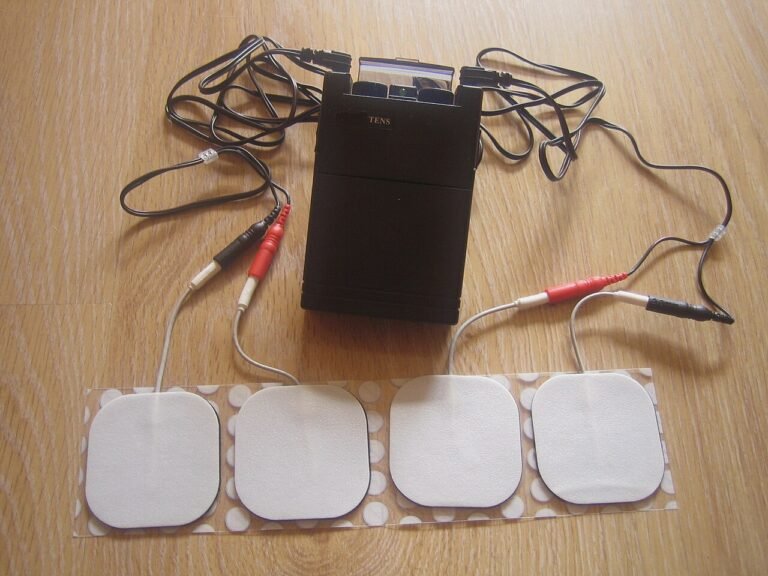
TENS Unit Safety: Who Should Skip It and Where Pads Must Never Go
Several groups of people should not use a TENS unit at all, and several body areas are off limits even for people who can. Cleveland Clinic lists an…

Do Heating Pads Turn Off Automatically? Shut-Off Times by Brand
Auto shut-off timers cut power after a set time. Here is why manufacturers add them, typical windows by pad type, and what to check before buying.

Electric, Microwavable, or Chemical Heating Pads: What’s the Difference?
Electric, microwavable, and chemical heating pads work differently. Here is how they compare on heat duration, cost, and which fits a situation.
TENS Unit vs Massage Gun: Which One Suits Your Day?
A TENS unit runs hands-free while you sit; a massage gun works in two minutes after activity. Which suits your day, plus the safety list that matters.
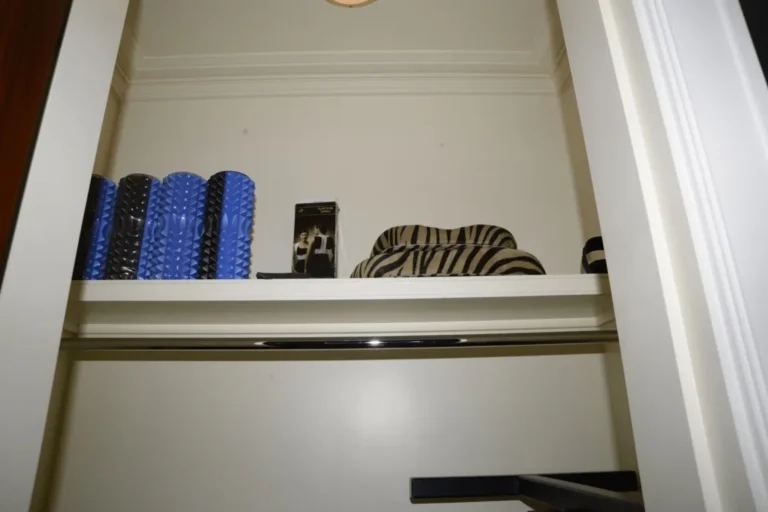
How Long to Ice an Injury, and How Often
Straightforward guidance on how long to leave an ice pack on, how often to reapply it, and when heat is the better call for everyday aches instead.
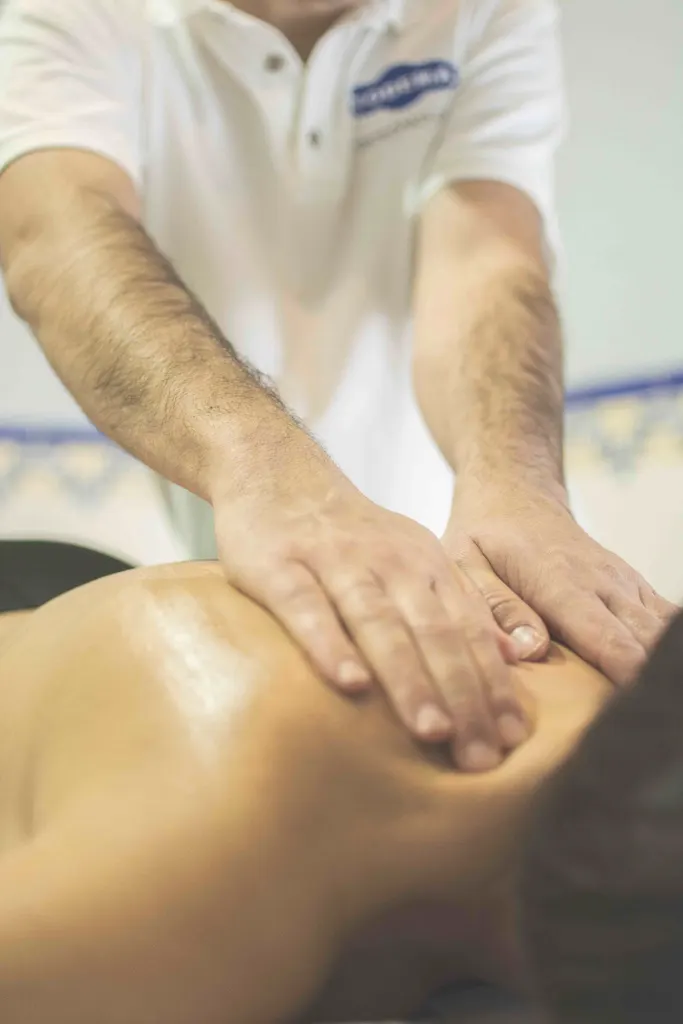
Heating Pads for Lower Back Discomfort at a Desk
How to pick a heating pad that sits well on a desk chair, how long to use it safely, and whether it beats fixing your ergonomic setup instead.
Heat or Cold: A Practical Guide to Choosing Between Them
A practical, disclaimer-first comparison of heat and cold therapy: what each does, which products fit which situation, and how to use both safely.