
Relief for Body is reader-supported. When you buy through links on our site, we may earn an affiliate commission. This doesn't affect our verdicts.
Most ergonomics guidance lands in the same narrow band: get up roughly every 30 to 60 minutes, even if it’s only for a minute or two before you sit back down. There’s no single landmark study that pins the number exactly, but it holds up across workplace-health research and physical therapist recommendations we’ve read. If you sit at a desk for long stretches, that interval is the practical target. Not a rule carved in stone, more a floor under how long you let yourself stay still.
Quick answer
Stand, stretch, or walk for at least a minute or two every 30 to 60 minutes. Any movement counts, and a short break every half hour beats one long break every three hours.
Where does the 30-to-60-minute guidance come from?
The most cited version of this comes from Cornell University ergonomist Alan Hedge, who proposed a rough “20-8-2” pattern: 20 minutes sitting, 8 minutes standing, 2 minutes moving, repeated through the workday. Few offices actually run on that exact clock, but the underlying idea has stuck around because it matches what physical therapists tell patients anecdotally: your body handles short, frequent changes in position better than it handles one fixed posture for hours.
Workplace wellness programs and occupational health groups tend to converge on a similar window. Some say every 30 minutes, others say every hour is fine as long as you move when the time comes. We’d rather you pick a number you’ll stick to than chase the “correct” one. A 45-minute interval you follow beats a 30-minute interval you ignore by lunchtime.
What counts as “getting up”?
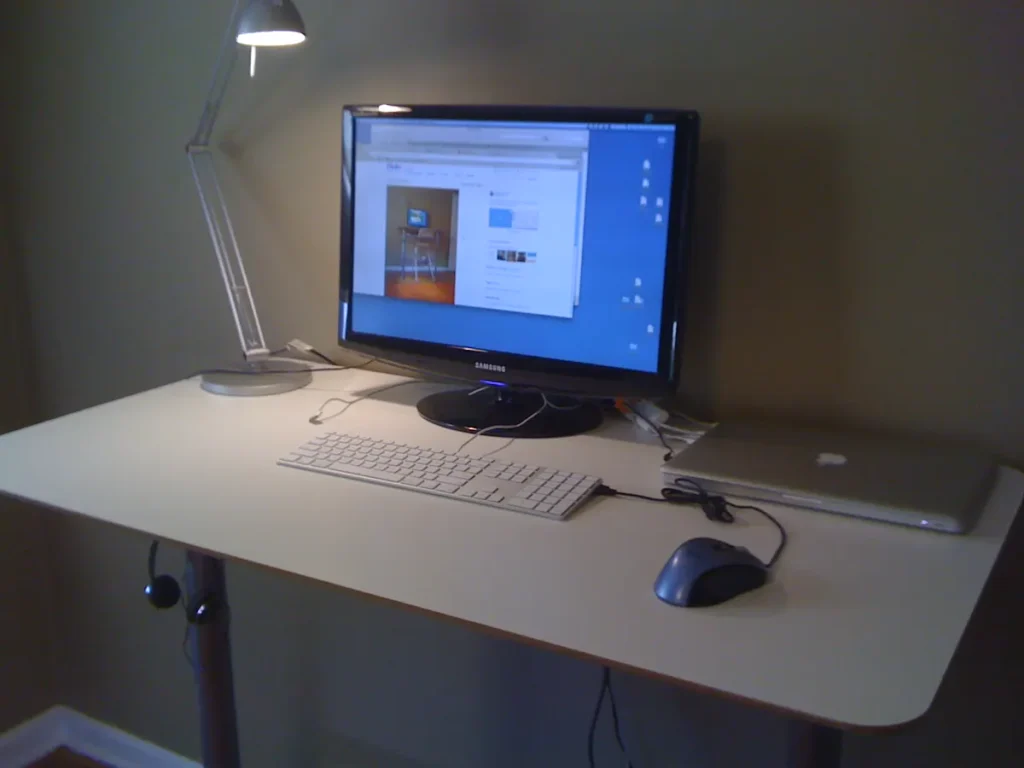
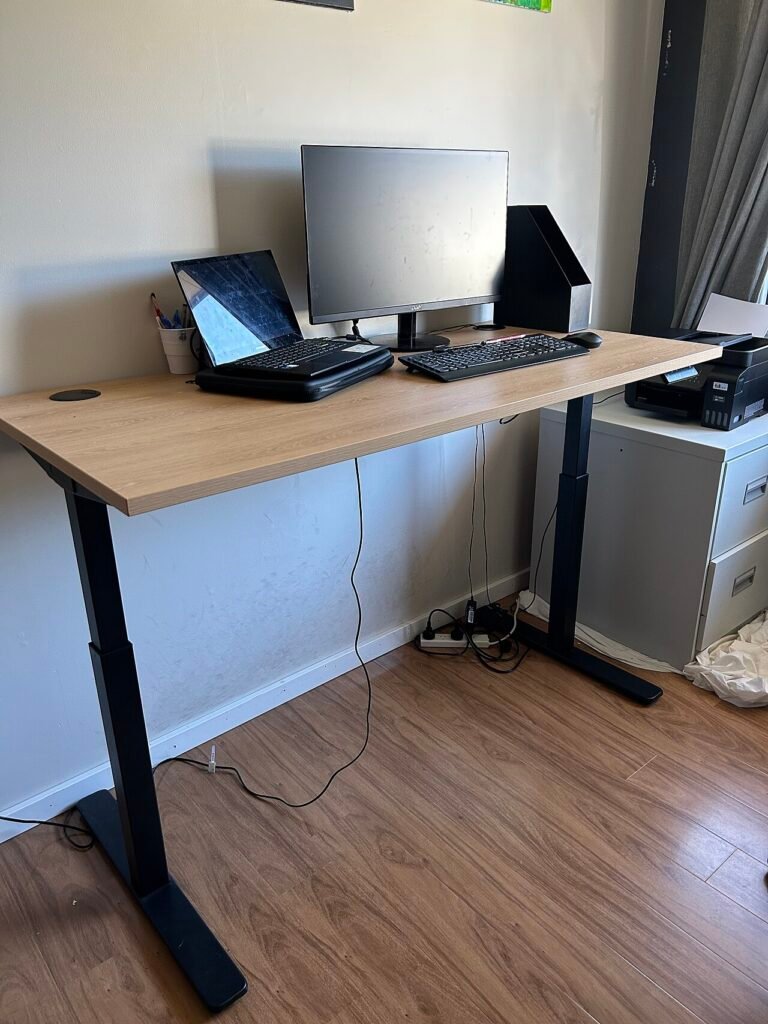
It doesn’t have to be a walk around the block. Refilling your water bottle, taking a call standing up, walking to a printer on the far side of the office, or just stretching next to your desk chair all count. The goal is changing your position and getting blood moving, not logging steps. If you’ve already set up a proper ergonomic desk, alternating between sitting and standing at that same desk works too, though even a sit-stand setup benefits from occasional walking on top of it.
A few habits people we’ve talked to keep up:
- Standing for every phone call that doesn’t require typing
- Taking the stairs or a longer route to the bathroom or kitchen
Signs you’ve gone too long between breaks
Restlessness is usually the first signal, followed by a stiff lower back or tight hips when you finally do stand. Some people notice their feet feel asleep or their shoulders have crept up toward their ears. None of that is an emergency, and it’s common after long stretches of sitting. If stiffness or discomfort is sharp, persistent, or getting worse over days rather than easing once you move around, that’s worth mentioning to a healthcare provider rather than working around with more breaks alone.
Does the type of desk job change the interval?
A developer deep in a debugging session and a customer support rep fielding back-to-back calls both sit at desks, but the honest interruption cost is different. Someone in a heads-down focus task loses more by breaking every 30 minutes than someone whose work already has natural pauses built in, like waiting for a call to ring or a page to load. If your job punishes interruption, an hourly break with a firm alarm tends to work better than chasing the shorter interval and resenting it.
Age and existing back or hip issues shift the calculus too. Someone who already deals with stiffness first thing in the morning generally benefits from the shorter end of the range, closer to 30 minutes, since discomfort compounds faster once it starts. Someone without that history can often stretch toward 45 or 60 minutes without much difference in how they feel by the end of the day. Neither is wrong. The interval is a starting point to adjust from, not a number to defend.
Commission-based or metrics-tracked roles are the trickiest case, since a visible break can read as slacking even when it’s a minute of stretching next to a chair. If that’s your situation, folding movement into tasks that already look like work, standing while you’re on a call or walking to a colleague’s desk instead of messaging, tends to survive scrutiny better than a dedicated break that looks like idle time on a dashboard.
Tools that make it easier to remember
The honest failure mode isn’t disagreeing with the advice, it’s forgetting. A phone alarm works, but most people silence it within a week. A few products are built specifically to nag you in a way that’s harder to ignore.
Upright GO 2
A small wearable that vibrates when you’ve been still too long, not just when you slouch.
- Buzzes on a schedule you set, separate from its posture-tracking feature
- Pairs with an app that logs how often you moved during the day
- Small enough to forget you’re wearing it under a shirt
If you’d rather not wear anything, a basic visual timer sitting on your desk works almost as well. Something you can glance at is often more effective than a phone notification buried under a dozen others. Long stretches without moving and slouched posture tend to show up together, so if you’re already looking at a wearable for movement reminders, our posture corrector guide is worth a look too.
Breaks do less for you if the desk is the wrong height for the hours in between. The desk height calculator takes your height and returns the five measurements worth setting.
Does a standing desk change any of this?
It changes the mechanics, not the underlying need. Owning a sit-stand desk doesn’t mean you can plant yourself in the standing position for four hours straight and call it solved. Static standing has its own fatigue pattern, mostly in the feet and lower back. The better approach is alternating positions on a schedule, whether that’s a full standing desk, a converter, or just a chair you get out of on a timer.
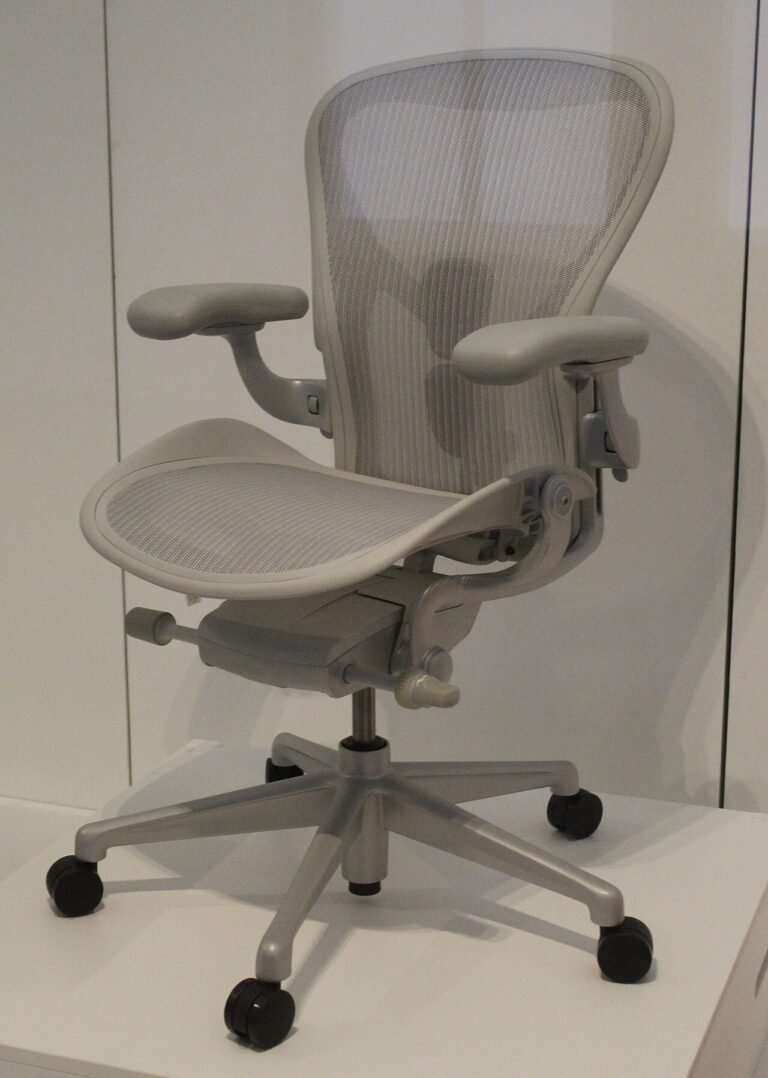
Your chair matters here too. If you’re shorter than average, a standard office chair often puts your feet dangling and makes it harder to want to get up and move, since the seat itself feels uncomfortable the whole time you’re in it. Our guide to office chairs for people under 5’4″ covers what to look for. And once your chair and desk are dialed in, getting your monitor height right removes one more reason your neck and shoulders tighten up between breaks.
Frequently asked questions
Is there an official OSHA rule for how often to stand up from a desk?
No. OSHA doesn’t set a specific interval for sit-stand breaks in general office work. The 30-to-60-minute guidance comes from ergonomics researchers and physical therapists, not a federal regulation, so treat it as solid practical advice rather than a legal requirement.
Is standing up every 30 minutes necessary, or is once an hour enough?
Once an hour is a reasonable minimum for most people. Thirty minutes tends to work better for anyone who already deals with stiffness or a physically demanding non-desk portion of their day. The honest answer is that consistency matters more than hitting an exact number.
Do standing desk breaks help if I already exercise regularly?
Yes, they’re not a substitute for exercise but they address a separate problem. Research on prolonged sitting suggests the health effects of being still for hours are somewhat independent of how active you are outside of work, so both matter on their own terms.
What’s the easiest way to remember to get up without an app?
Tie it to something you already do on a schedule, like refilling a water glass every half hour or standing for every phone call. Anchoring the habit to an existing routine tends to stick better than a standalone reminder you have to build from scratch.
None of this requires new equipment to start. Set a timer for your next break right now, and worry about upgrading your desk or chair once the habit itself feels automatic.
From the Relief for Body desk
Every guide here is built from the manufacturer’s own documentation, published safety guidance, and the pattern in what owners report over months of use, not from a lab or a clinic. Nothing is sponsored, and verdicts are settled before any affiliate link goes in. We are not clinicians, and nothing on this site replaces one. How we review explains the process.
This article is general information, not medical advice. If pain is sharp, persistent, or getting worse, see a clinician.
Google lets you pick which sites come up first in your own results.
.jpg)