Stretching & Mobility (Page 2)
Stretching straps, mobility tools, and back stretchers that earn their spot in a small apartment.
The tool you leave on the floor is the tool you use. That sounds like a throwaway line and it is the most consistent thing in the long-term reviews for this category: the strap that lives on a door handle gets picked up four times a week, and the elaborate frame that has to be pulled out from behind a sofa gets used twice and then becomes furniture. So size, weight and setup time carry real weight in these reviews, next to what the thing does.
Straps are the cheapest useful item here and the reviews mostly come down to the loops. Sewn loops at fixed intervals give you a reliable ladder to work along; a plain length of webbing needs you to hold tension with the hand you were supposed to be relaxing. Twenty euros against eight, and the twenty is usually right.
Arched back stretchers deserve their own note. Used for two or three minutes on the lowest setting they feel good and open the chest after a day hunched over a keyboard. Used for twenty minutes on the highest setting because more seemed better, they leave people sore for two days. The reviews say the dose.
Nothing here treats an injury. A stretch that produces sharp pain, tingling or numbness is a stretch to stop, and a back that has hurt for more than a few weeks is worth a physiotherapist rather than another purchase.
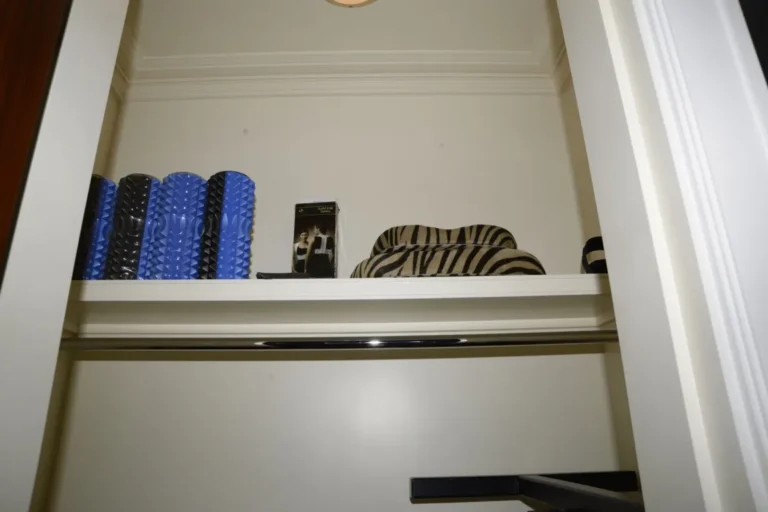
Stretching and Mobility Tools: A Buyer’s Map From Bands to Rollers
A practical buying guide to foam rollers, massage balls, resistance bands, and stretching straps, matched to the tight areas each one reaches.
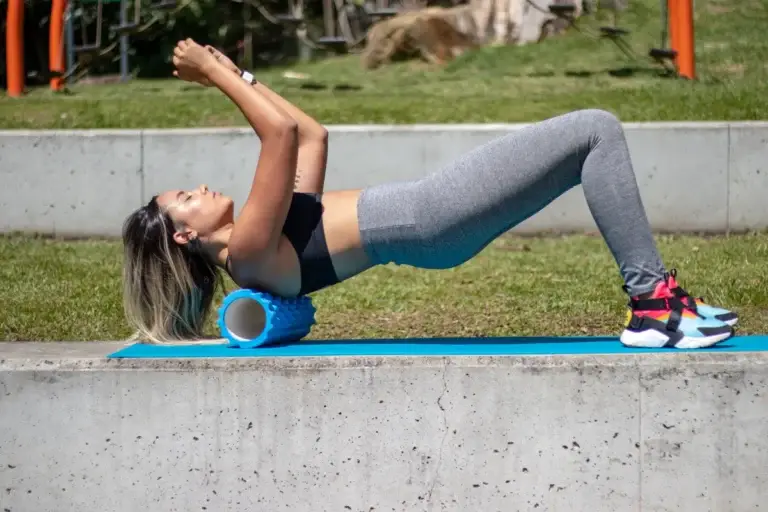
Foam Rolling Frequency: How Much Is Enough
How often should you foam roll? Here's a realistic frequency by fitness level, plus how to tell when you're rolling too much or not nearly enough.
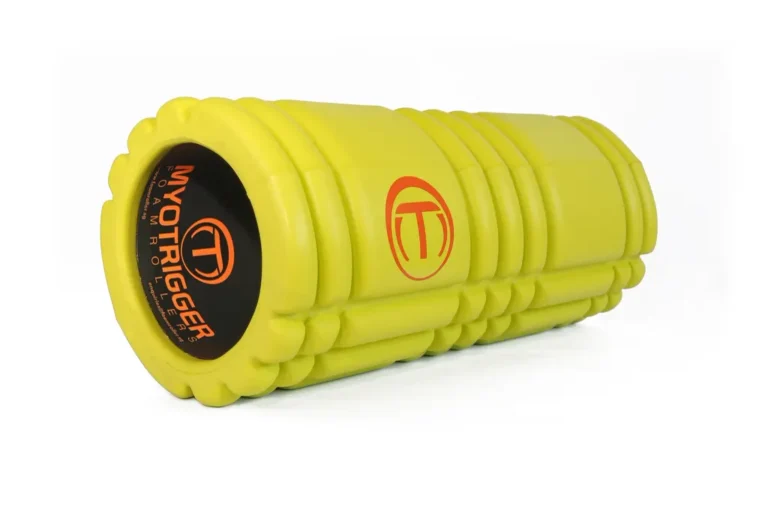
Foam Roller Density Guide: Soft, Medium, or Firm?
How to pick a foam roller by density instead of price or star rating, plus which firmness suits beginners versus experienced daily users.