Relief for Body is reader-supported. When you buy through links on our site, we may earn an affiliate commission. This doesn't affect our verdicts.
A wrist rest is a place to pause between bursts of typing, not a place to park your wrists while you type. That is the distinction OSHA draws, and it is the one most people miss. OSHA’s purchasing guide says wrist rests are for resting and their use should be minimized while actively keying. Its keyboard guidance asks for wrists that stay straight and in line with the forearms. A rest helps only if it is chosen carefully and used for what it is.
This article is general information about desk gear, not medical advice. See our health disclaimer.
What the rule actually says
OSHA’s computer workstation pages set the posture first. The wrists should be straight and in line with the forearms. Elbows sit about at keyboard height, close to the body, with forearms roughly parallel to the floor. The keyboard goes directly in front of you. A mouse should be close to the keyboard so you are not reaching for it.
Then comes the warning that surprises people. According to OSHA’s wrist and palm support page, your forearms and wrists can be affected if a wrist rest has sharp, hard leading edges, and OSHA tells readers to select wrist rests carefully and take frequent rest and stretch breaks to minimize contact stress. In other words, the rest can be the cause of a problem, not just a cure for one. The same page notes that using a rest properly can reduce muscle activity, so the point is careful selection and use, not that rests are always bad.
What to look for if you buy one
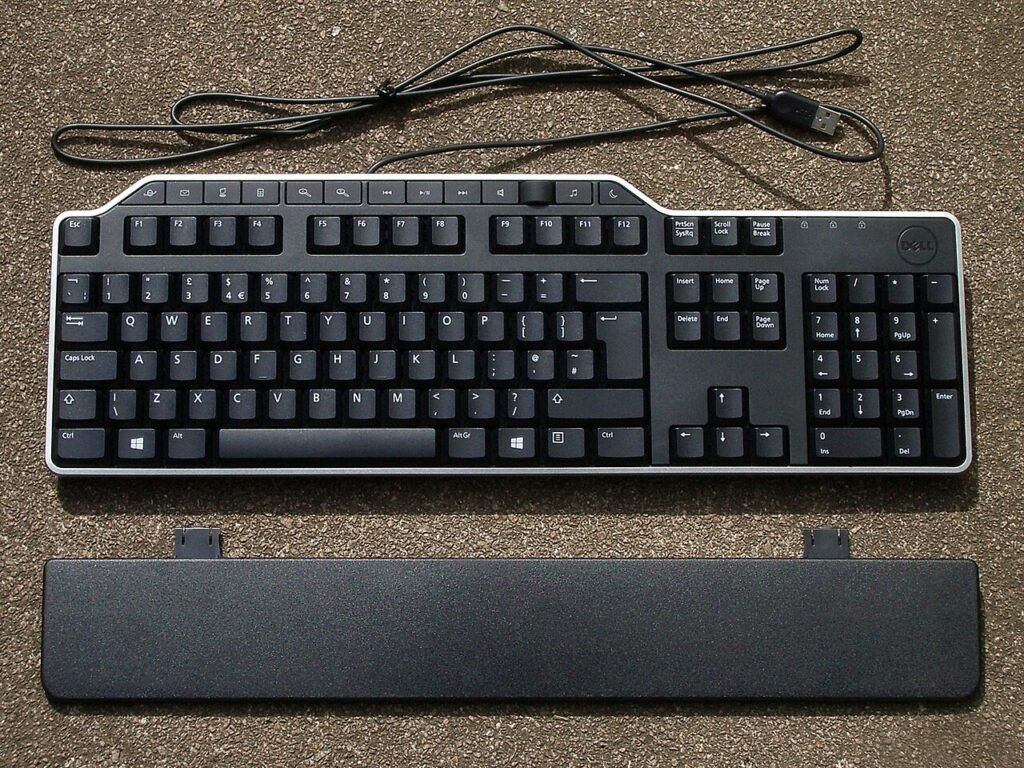
The OSHA purchasing guide is the closest thing to an official spec. It says a wrist rest should match the front edge of the keyboard in width, height, slope and contour. It should be soft but firm, with gel recommended, and at least 1.5 inches deep.
Two of those points are easy to check at a desk. If the rest is taller than your keyboard’s front edge, it tips your wrists upward. If it is lower, it does nothing, and you end up pressing the heel of your hand into the desk. Compare the two edges with a ruler before you commit, and check the depth on the product page. If a seller does not give the depth, treat that as a reason to look elsewhere.
| Attribute | OSHA guidance | What goes wrong |
|---|---|---|
| Height and slope | Match the keyboard front edge | Too tall bends the wrist up |
| Material | Soft but firm, gel recommended | Hard edges press into the forearm |
| Depth | At least 1.5 inches | Shallow rests give little to lean on |
| Use | Rest, and minimize use while keying | Planting the wrists while typing |
How to use one without making things worse
Float your hands while you type, so the movement comes from the shoulders and elbows and not from a fixed wrist. When you stop to read or think, lower the heel of your palm onto the rest. That is the pattern OSHA’s wording points to. Most of the benefit comes from the pause.
The same page recommends a five-minute break from computer tasks every hour. A wrist rest does not replace that break. Neither does it fix an input device that is too far away, which is a common reason people reach and strain. Check where your mouse sits before blaming the keyboard. For the full picture of how the pieces fit, see our ergonomic desk setup guide, and the desk and chair height guide if your elbows do not land at keyboard height to begin with.
What a wrist rest does not do
It does not prevent or treat carpal tunnel syndrome. The NHS describes carpal tunnel as swelling in the carpal tunnel that squeezes the median nerve, and its listed risk factors include repetitive wrist bending or gripping, pregnancy, arthritis, diabetes and being overweight. It does not name keyboard or mouse use as a specific cause on that page. So the claim that a rest protects against it has no backing in these sources.
The symptoms to take seriously are numbness or tingling in the thumb, index and middle fingers, often at night. The NHS advises seeing a GP if symptoms are getting worse or not going away. Treatments it describes, such as a night splint worn for up to six weeks, are decisions for a clinician, not something a desk accessory replaces.
Cheaper alternatives
If the rest is optional, so is the purchase. A rolled-up hand towel under the wrists during pauses is not endorsed by any source we reviewed, so it is a personal preference and not a recommendation. What the guidance does support is the posture around the tool: a keyboard directly in front, elbows close, a mouse in easy reach, and short breaks. A low-profile keyboard that sits flat may remove the need for a rest entirely, because the wrists can stay straight without one.
Matching the rest to the keyboard you own
Keyboards differ more than people expect. A thin, low keyboard needs a thin rest, and a mechanical one with tall keycaps sits higher at the front edge. This is the reason OSHA says the rest should match the keyboard’s front edge, rather than a general recommendation for one product. Measure from the desk surface to the front edge of the keyboard, then compare with the rest. A difference of even a fraction of an inch can tilt the wrists, so check it by eye from the side while you hold your hands in a typing position.
If you move between a laptop and a desktop setup, you may end up with two different heights to match. In that case one adjustable or low-profile choice is easier than two fixed ones.
One last check: sit and type for ten minutes with the rest in place. If you feel pressure on the underside of the forearm or the base of the palm, the edge is too hard or too high, which is the exact problem OSHA warns about.
Verdict
Buy a wrist rest only if you pause often and your desk edge is hard, and then pick a gel or firm foam one that matches your keyboard height and is at least 1.5 inches deep. Do not rest on it while typing. If numbness or tingling shows up, skip shopping and see a clinician.
Common questions
Should my wrists rest on a wrist rest while typing?
No. OSHA says use of a wrist rest should be minimized when actively keying, and that wrists should stay straight and in line with the forearms. Use the rest during pauses.
How deep should a wrist rest be?
OSHA’s purchasing guide says at least 1.5 inches, and it also asks for a rest that matches the keyboard front edge in width, height, slope and contour.
Does a wrist rest prevent carpal tunnel syndrome?
None of the sources we checked say so. The NHS lists risk factors without naming wrist rests. See a doctor if you have numbness or tingling in your fingers.
Sources
- Computer Workstations eTool: Purchasing guide, OSHA
- Computer Workstations eTool: Keyboards, OSHA
- Computer Workstations eTool: Wrist and palm support, OSHA
- Carpal tunnel syndrome, NHS
From the Relief for Body desk
Every guide here is built from the manufacturer’s own documentation, published safety guidance, and the pattern in what owners report over months of use, not from a lab or a clinic. Nothing is sponsored, and verdicts are settled before any affiliate link goes in. We are not clinicians, and nothing on this site replaces one. How we review explains the process.
This article is general information, not medical advice. If pain is sharp, persistent, or getting worse, see a clinician.
Google lets you pick which sites come up first in your own results.