Relief for Body is reader-supported. When you buy through links on our site, we may earn an affiliate commission. This doesn't affect our verdicts.
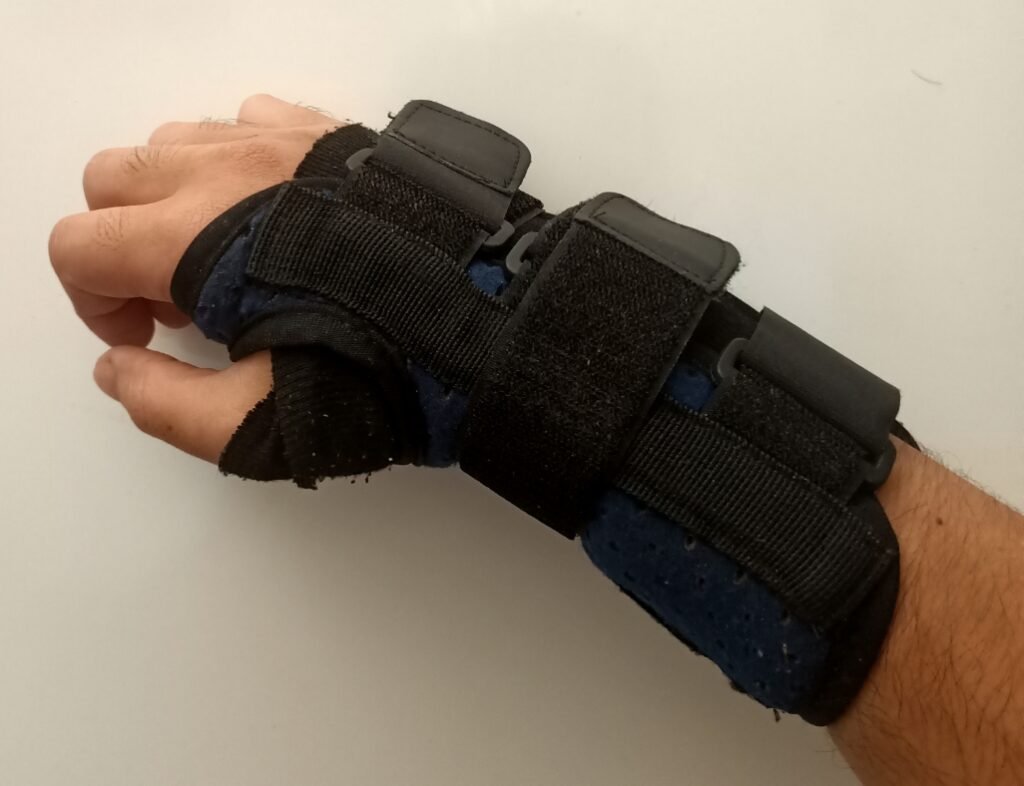
For carpal tunnel symptoms, a wrist splint worn at night is the first thing the sources recommend, and the main disagreement is about daytime wear. MedlinePlus says to wear a night splint for several weeks and add daytime use if that fails. A Scottish NHS leaflet says night only, for at least 8 weeks, and not during the day. Either way, the splint keeps the wrist straight. It does not replace changing a keyboard setup that bends the wrist, and it does not treat nerve damage that has already progressed.
The Canadian Centre for Occupational Health and Safety lists tingling, numbness or pain in the thumb and the index, middle and ring fingers. OrthoInfo, from the American Academy of Orthopaedic Surgeons, adds burning, pain that disturbs sleep, weakness and dropping objects.
Who gets it and why
OrthoInfo names several contributors: a carpal tunnel that is naturally smaller in some people, repetitive hand use that causes swelling, holding the hand and wrist in extreme flexion or extension for a long time, hormonal changes in pregnancy, and conditions such as diabetes, rheumatoid arthritis and thyroid imbalance. MedlinePlus adds an age range of 30 to 60, female sex, obesity, wrist fractures and vibrating hand tools. CCOHS lists repetitive motions, strong gripping, vibration and mechanical stress on the palm as workplace causes.
OrthoInfo also notes that symptoms begin gradually without a specific injury and often come and go at first. That pattern is why many people put up with it for months before doing anything.
Why a splint helps and how it is meant to be used
OrthoInfo explains that keeping the wrist in a straight, neutral position reduces pressure on the nerve. The Scottish leaflet is more direct about timing: the purpose of the splint is to stop the nerve being compressed at night while you sleep. It says about one-third of patients improve without any further treatment, and that it can take up to 8 weeks before you notice relief.
The two clinical sources then diverge on daytime use, and both are worth reading closely.
| Source | Night | Day |
|---|---|---|
| MedlinePlus | Wear a night splint for several weeks | Add daytime wear if night use alone does not work |
| NHS Scotland patient leaflet | Night only, at least 8 weeks | Not during the day |
Neither page explains the difference. Since they conflict, a clinician who has examined your hand is better placed to choose between them than an article.
Fit: the part people get wrong
The Scottish leaflet gives practical cautions. The splint should not be so tight that it affects circulation or causes swelling, and the rough Velcro must not touch your skin. A splint that cuts into the wrist adds a problem on top of the one it was meant to solve.
The leaflet says to wear it all night, every night, for it to work. If you improve after 8 weeks you can stop, and if symptoms come back later you can resume for another 8 weeks. If the metal strut on the palm side is uncomfortable, it says the strut may be straightened slightly, and if the rough side of the Velcro touches skin you need a bigger size. The same leaflet says to see your GP if there is no resolution after 8 weeks. MedlinePlus says to contact your provider if symptoms do not improve, if numbness gets worse, or if you drop objects often.
The keyboard side of it
CCOHS says awkward wrist positions are a risk factor, and that the link to mouse use is uncertain. It also says that even with a prescribed splint, you should avoid activities that aggravate the condition. A splint on the wrist does not fix a desk where the wrist is bent upward all day.
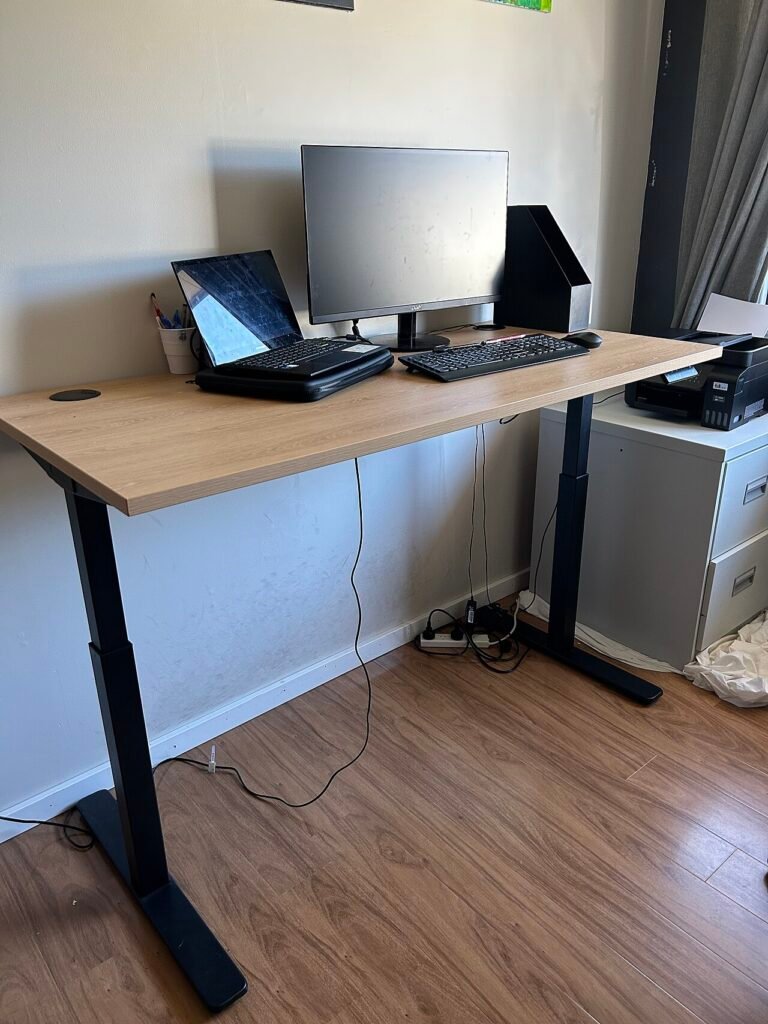
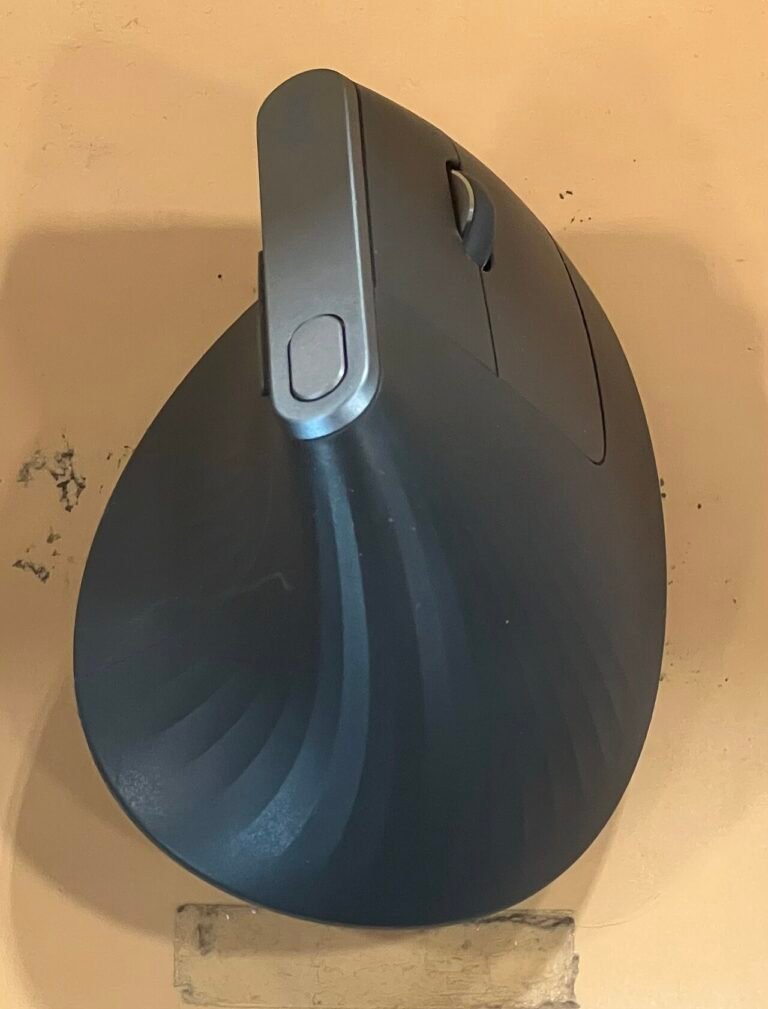
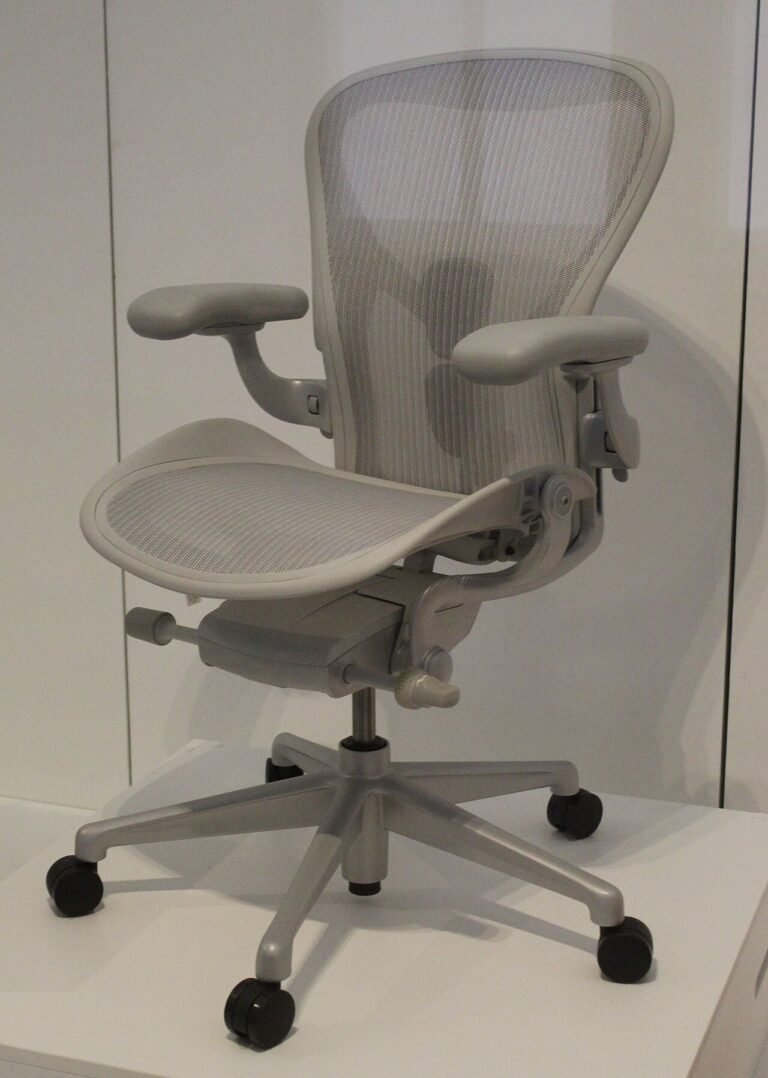
MedlinePlus is more specific on setup: keep the keyboard low so that the wrists are not bent upward, and consider other keyboards or mice and an occupational therapy assessment. For the rest of the desk, a post on an ergonomic desk setup covers the overall layout, desk and chair height deals with the heights that decide wrist angle, and monitor height covers the other end of the posture chain.
Two cautions on what is not established. CCOHS states the mouse connection is uncertain, so changing your mouse is a reasonable experiment and not a guaranteed fix.
What else the sources list
A splint is one option among several. MedlinePlus lists warm or cold compresses, anti-inflammatory drugs and corticosteroid injections, and CCOHS says mild cases respond to rest, anti-inflammatory drugs, cold packs or a splint, plus exercises from a physical therapist. OrthoInfo says steroid injections often relieve pain but only temporarily, with no long-term benefit.
Surgery enters the picture when other treatment fails or gives only temporary relief, when there is constant numbness and wasting of the thumb muscles, or when testing shows significant nerve changes. OrthoInfo gives 2 to 3 months for grip strength to recover after surgery and 6 to 12 months for numbness to improve. MedlinePlus says symptoms often improve without surgery but more than half of cases eventually need it, which is a reason not to treat a splint as a permanent answer.
Do not wait on these
OrthoInfo warns that untreated cases risk permanent dysfunction. That is the reason for acting on weakness or dropping things quickly. Persistent numbness, weakness in the hand, or symptoms that keep waking you after weeks of splinting are signs to book an appointment. No source reviewed here lists carpal tunnel as an emergency.
Our take
Use a wrist splint at night to keep the wrist neutral, make sure it is not tight enough to affect circulation, and fix any keyboard setup that bends the wrist. Sources disagree on daytime wear, so ask a clinician. See a provider if numbness worsens, you drop things, or there is no improvement after about 8 weeks.
Common questions about wrist splints and carpal tunnel
Should I wear a wrist splint during the day?
MedlinePlus says to add daytime wear if night use fails. An NHS Scotland leaflet says night only and not during the day. Ask a clinician which applies to you.
How long should I wear a night splint?
MedlinePlus says several weeks. The Scottish NHS leaflet says at least 8 weeks, and to see a GP if there is no resolution after that.
How tight should the splint be?
Not so tight that it affects circulation or causes swelling, per the NHS Scotland leaflet. The rough Velcro should not touch skin.
Does a wrist splint replace fixing my keyboard setup?
No. MedlinePlus advises keeping the keyboard low so the wrists are not bent upward. CCOHS advises avoiding activities that aggravate the condition even with a splint.
From the Relief for Body desk
Every guide here is built from the manufacturer’s own documentation, published safety guidance, and the pattern in what owners report over months of use, not from a lab or a clinic. Nothing is sponsored, and verdicts are settled before any affiliate link goes in. We are not clinicians, and nothing on this site replaces one. How we review explains the process.
This article is general information, not medical advice. If pain is sharp, persistent, or getting worse, see a clinician.
Google lets you pick which sites come up first in your own results.