
Relief for Body Editorial Team
Relief for Body is run by a small editorial desk inside OmniLearnConsultingCommerce LLC. We read the manufacturer documentation, the published safety guidance and the pattern in what owners report over months of use, then we settle a verdict before any affiliate link goes near the page. We are not clinicians and nothing here replaces one.
42 published guides

When a Pillow Is Done: How to Tell, and How Often to Replace It
Most pillows need replacing every 1-2 years. Use the fold test to check yours, see how pillow type changes the timeline, and find a good replacement.
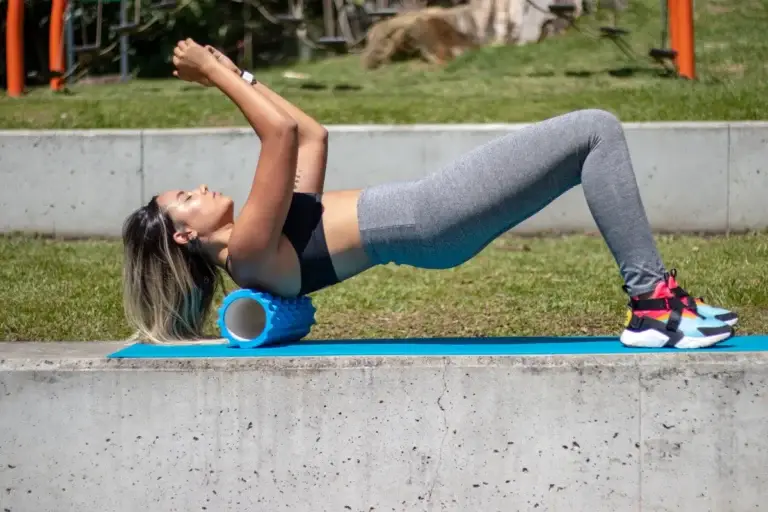
Foam Rolling Frequency: How Much Is Enough
How often should you foam roll? Here's a realistic frequency by fitness level, plus how to tell when you're rolling too much or not nearly enough.

How Long Should You Wear a Posture Corrector Each Day?
Start at 15 to 30 minutes a day and build up gradually. See the full wear-time schedule and signs you're wearing a posture corrector too long.
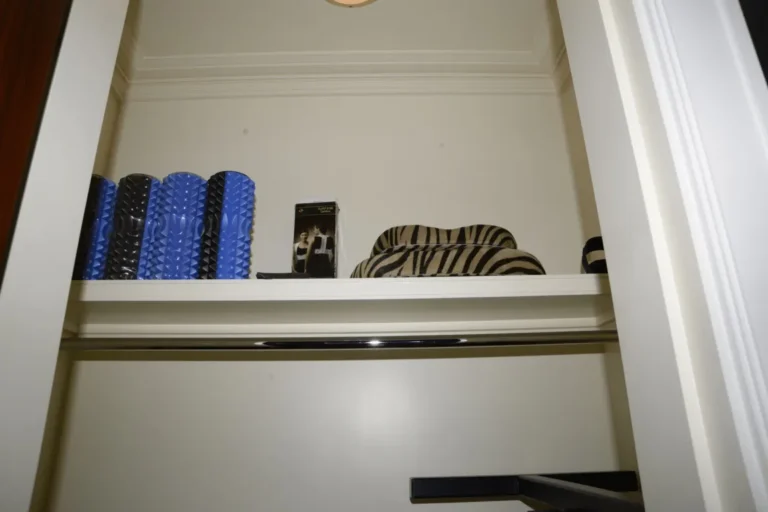
How Long to Leave an Ice Pack On
Straightforward guidance on how long to leave an ice pack on, how often to reapply it, and when heat is the better call for everyday aches instead.
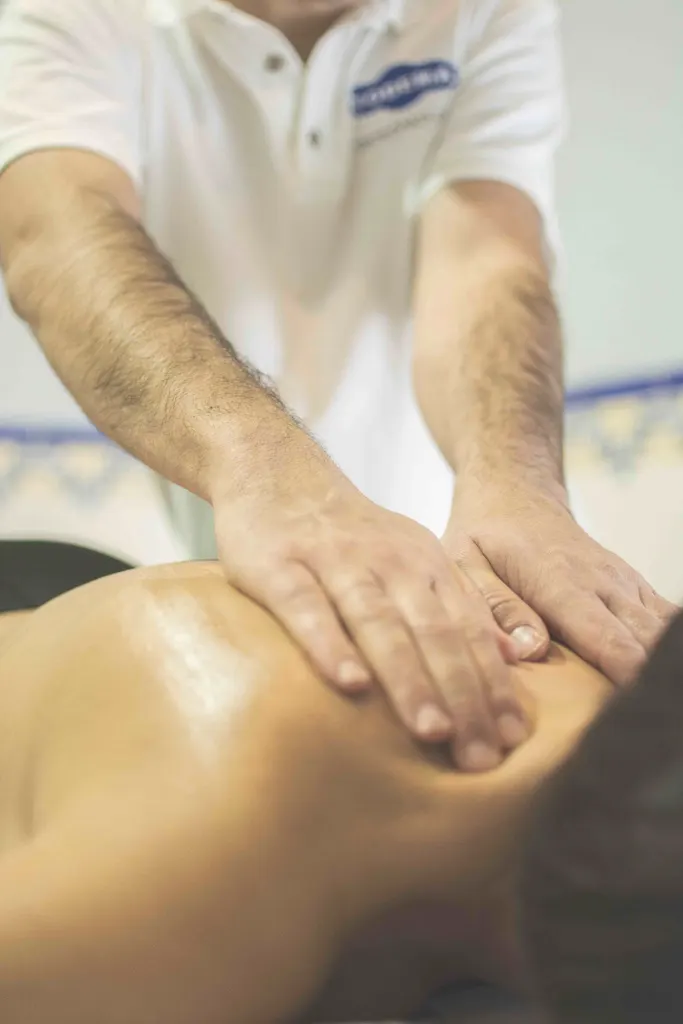
Heating Pads for Lower Back Discomfort at a Desk
How to pick a heating pad that sits well on a desk chair, how long to use it safely, and whether it beats fixing your ergonomic setup instead.
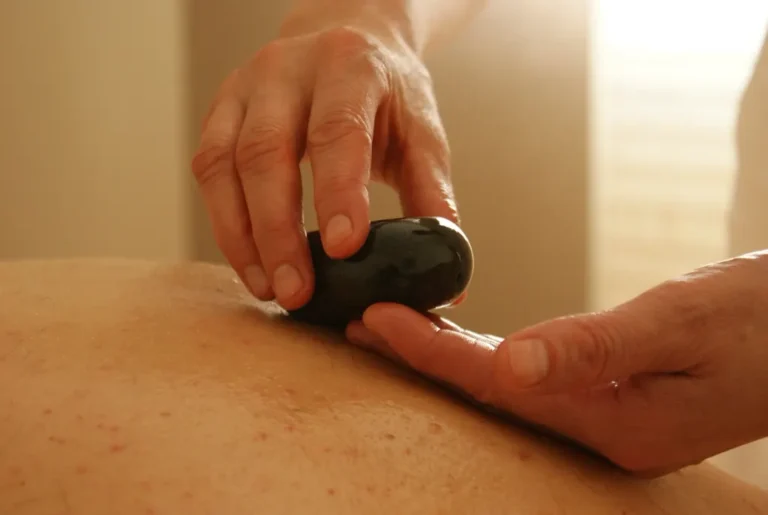
Heat or Cold: A Practical Guide to Choosing Between Them
A practical, disclaimer-first comparison of heat and cold therapy: what each does, which products fit which situation, and how to use both safely.
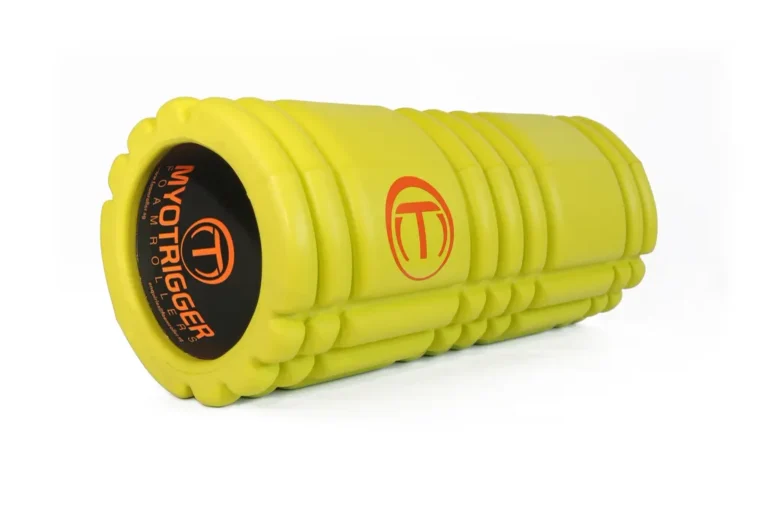
Foam Roller Density Guide: Soft, Medium, or Firm?
How to pick a foam roller by density instead of price or star rating, plus which firmness suits beginners versus experienced daily users.

Setting Up an Ergonomic Desk on a Budget: Where to Spend
The three highest-impact ergonomic desk changes, most of them free, ranked ahead of the chairs and gadgets usually pushed first on a budget.
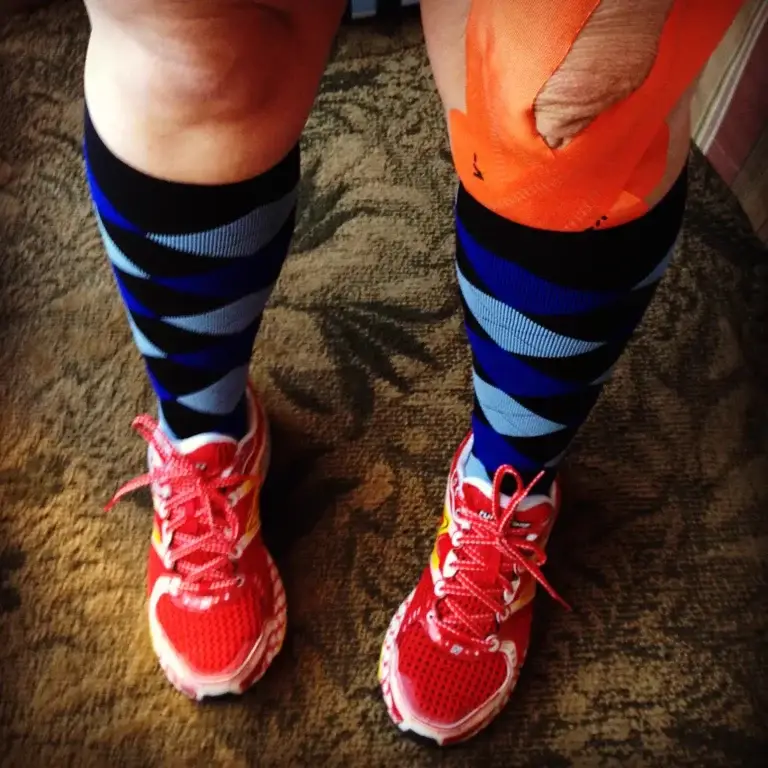
Compression Socks for Nurses: Which mmHg Range to Buy
Most nurses do well with 15-20 mmHg, moving to 20-30 mmHg for long shifts. See how graduated compression works and what to look for beyond the number.
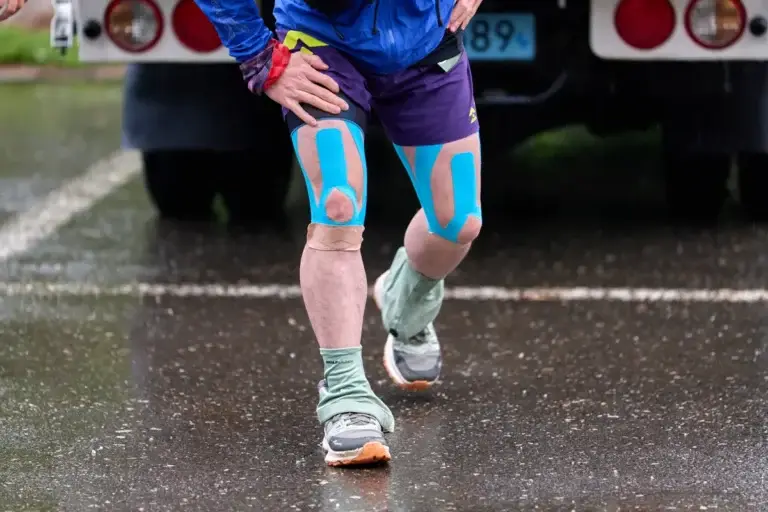
Do You Need Compression Socks for Flying? Here’s the Real Answer
Compression socks show the clearest benefit on flights over 4 hours. See the mmHg range that fits travel and what else supports circulation in the air.