Ergonomics & Desk Setup
Chairs, desks, monitor arms, and the small fixes that stop a desk job from hurting. Judged on the faults owners report after months of eight-hour days, not on a showroom sit.
The order of operations matters more than the budget. A chair is not the fix if the screen is wrong, because a monitor sitting 20 cm too low pulls the head forward and no amount of lumbar support undoes a head held in front of the shoulders for seven hours. The cheapest useful change most people can make is a stack of books under a laptop and a separate keyboard, and it costs the price of the keyboard.
After that comes the desk, and the desk has a number attached to it. Seat height, desk height, monitor height and standing height all derive from your own stature, which is why we point at the calculator on this site rather than repeating a one-size figure. Getting the desk 4 cm too high forces the shoulders up all day, and people adapt to it instead of noticing it.
Chairs get judged on the parts that fail. Seat depth adjustment, because a seat pan too long for shorter legs cuts behind the knee. Armrest height, because armrests that cannot come down are worse than no armrests. Gas lift quality, because a chair that sinks three centimetres an hour teaches you to sit badly. Mesh that looked breathable in the shop and cuts into the thighs by month four.
We do not sit in these chairs ourselves. We go after the reviews written at month six rather than week one, and we say which faults show up early and which only appear once the gas lift has a year on it. Persistent pain is a reason to see a physiotherapist rather than buy another accessory.
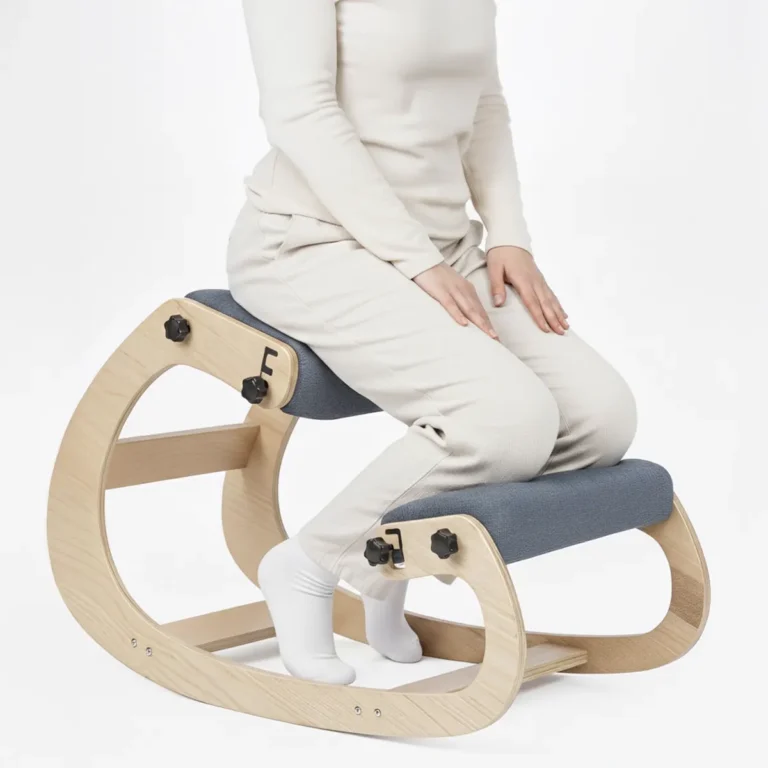
Kneeling Chairs: Who They Actually Work For (and Who They Don’t)
Who kneeling chairs genuinely suit, who tends to struggle with them, and what owner reviews say about knee load, back support, and getting used to one.

Do Posture Correctors Actually Work, or Is It Just Muscle Memory?
Posture correctors pull your shoulders back while worn, but lasting change is unproven. Here is what the strap actually does and does not fix.

Chair Height vs. Desk Height: Getting the Math Right
The elbow-height rule for matching chair and desk height, with a quick worked example table by height range and when to check with a professional instead.
Lumbar Support Cushion Guide: Getting the Thickness Right
A lumbar cushion fills the gap between your back and the chair. The five-second hand test, the thickness that suits your chair, and when to skip it.

Posture Corrector Size Chart: How to Measure Before You Buy
Measure your chest over a thin shirt, then match it to the brand's chart, not your shirt size, and what to do if you land between two sizes.

Posture Correctors for Rounded Shoulders From Desk Work
A posture corrector for rounded shoulders pulls your shoulder blades back while worn. What it does, sizing tips, and how long to wear one.
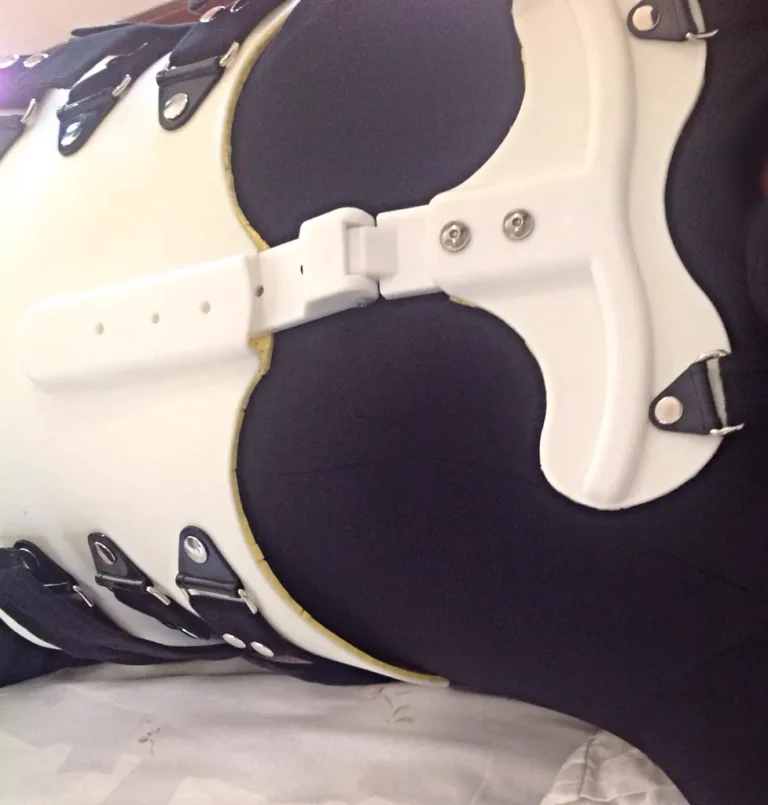
Posture Correctors and Braces: What They Do, and What They Don’t
A posture corrector is a training aid, not a fix. How they work, who tends to benefit, and how to choose and size one that stays put.
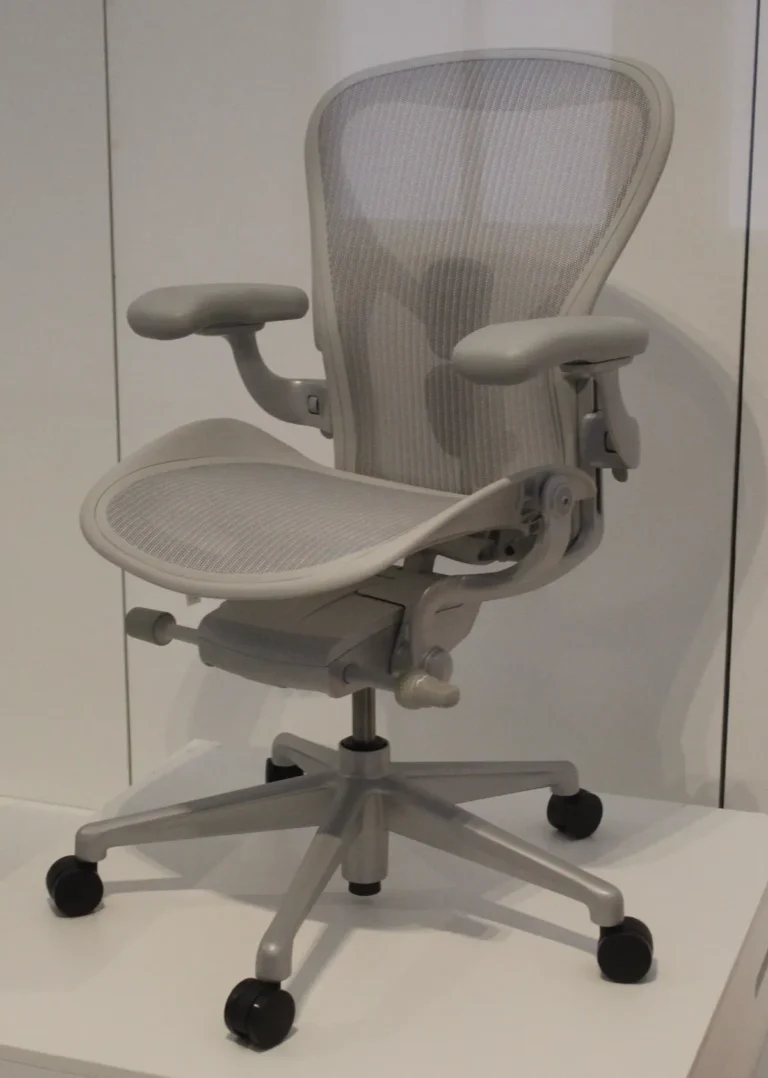
The Best Office Chairs for People Under 5’4″
Standard office chairs rarely fit shorter frames well. The top picks with real seat-depth adjustment, and the specs that decide the fit.
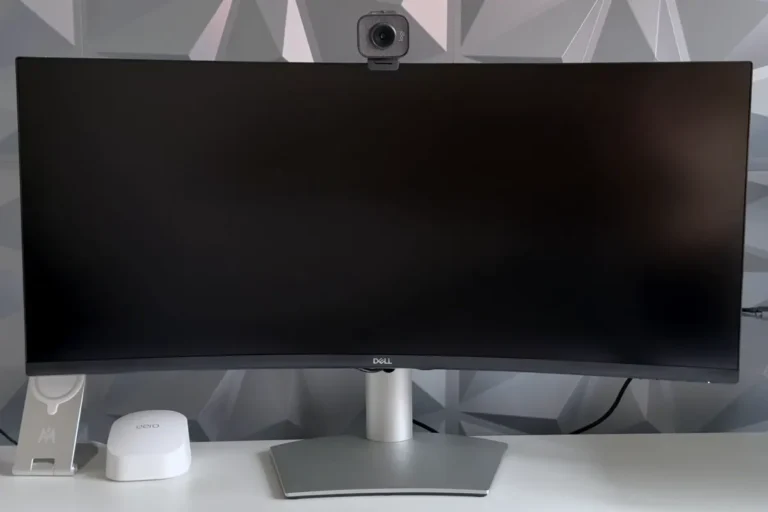
How High Should Your Monitor Sit?
A ten-second eye-level test shows exactly where your monitor should sit. Learn the right height, distance, and tilt for a comfortable setup.
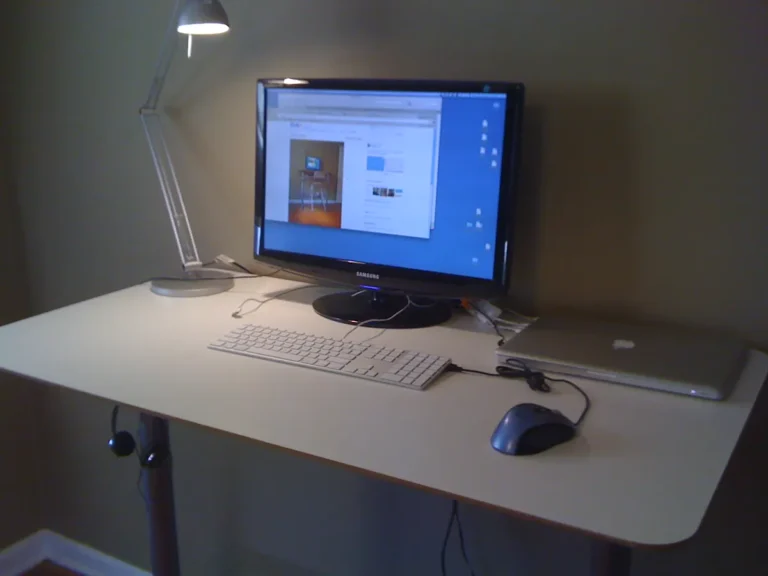
How Often to Get Up From a Desk Chair
Most guidance points to standing or moving every 30 to 60 minutes at a desk. What counts as a break, and how to make the habit stick.