Relief for Body is reader-supported. When you buy through links on our site, we may earn an affiliate commission. This doesn't affect our verdicts.
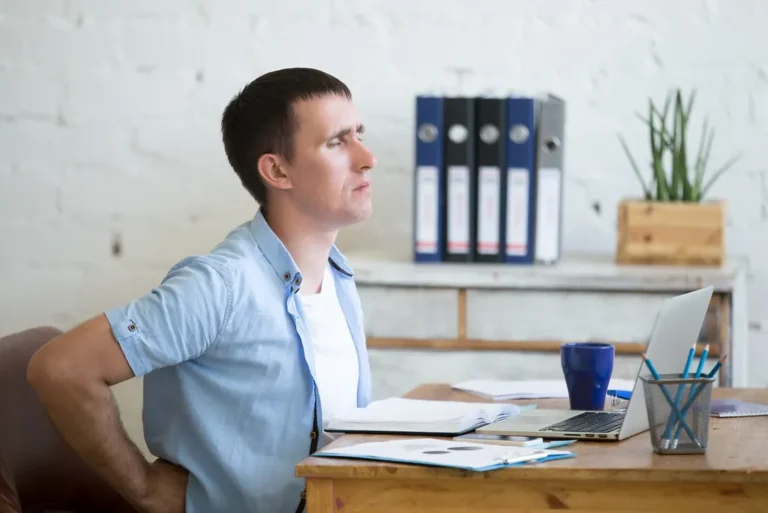
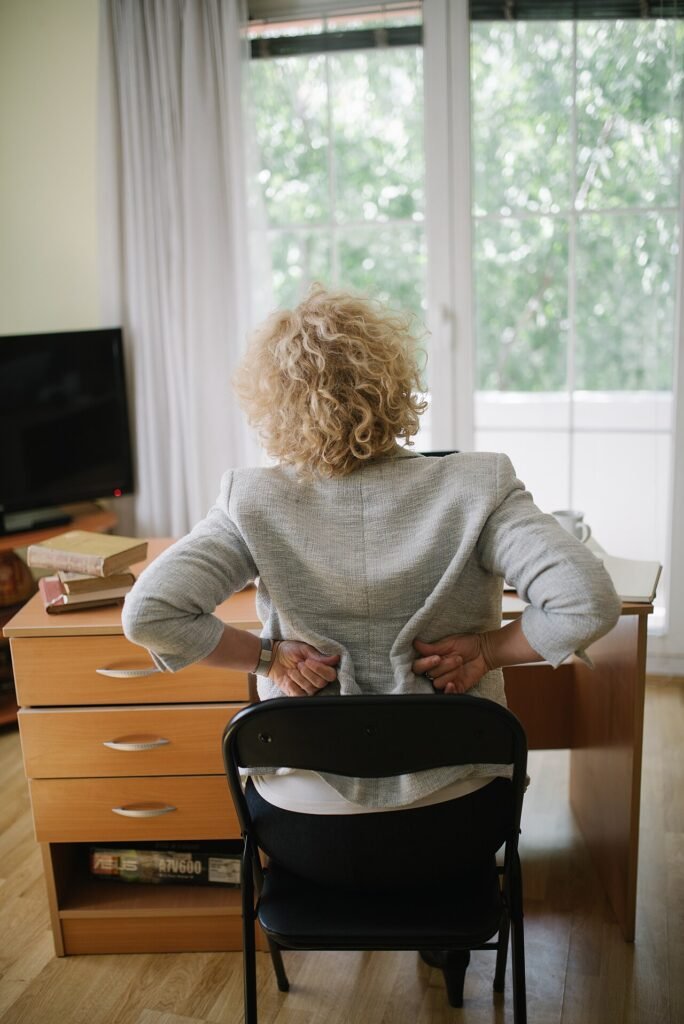
Pain in the middle of the upper back, between the shoulder blades, is most often a muscle problem tied to how you sit, and it usually eases with movement and small changes to your desk. Less often it signals something that needs a doctor the same day. This guide helps you tell which situation you are in, and gives you a short list of adjustments worth making either way.
What the major health sources say about causes
No institutional page we could find is written only about pain between the shoulder blades, so it helps to be upfront about that. What the general back pain sources say applies to this area too. The NHS back pain guidance puts it plainly: “A common cause of back pain is an injury like a pulled muscle (strain).” It adds that slipped discs and other medical conditions can be behind it, and that “very rarely” back pain is a sign of a serious problem such as a broken bone, cancer or an infection.
The National Institute of Arthritis and Musculoskeletal and Skin Diseases (NIAMS) describes back pain as having many possible causes that can be present at the same time and interact. It lists mechanical problems such as sprains, strains and herniated discs, inflammatory conditions, and other medical conditions including osteoporosis, fibromyalgia and infections. It also names risk factors worth reading with a desk job in mind: weak back and stomach muscles that may not properly support the spine, weight gain, chronically poor sleep, depression or anxiety, and age, since back pain becomes more common after 45.
None of that says “sitting caused your pain.” But for someone who spends most of the day at a computer, a strained muscle from an unchanging position is the ordinary suspect, and the sections below are built around that case.
Red flags: when this is not a desk problem
Start here, because it changes what you do next. The NIAMS page says to see a doctor if the pain does not improve after a few weeks, if you have numbness and tingling, if severe pain does not improve with medication, if the pain follows a fall or injury, if you have weakness, pain or numbness in your legs, or if you have trouble urinating, fever, or weight loss you did not intend.
The NHS also lists, among its reasons to see a GP, back pain that is “coming from the top of your back (between your shoulders), rather than your lower back,” along with pain that does not improve after resting or is worse at night, a lump or swelling, and weight loss without trying. That makes the location itself a reason to get checked if the pain persists.
The NHS adds a distinction about speed. Severe pain that starts suddenly or gets worse quickly, along with fever or feeling generally unwell, calls for urgent help. Pain, tingling, weakness or numbness in both legs, bladder or bowel changes, or symptoms after a serious accident are on its emergency list.
Chest symptoms
Pain felt in the back can have a cause that is not in the back. The NHS list of heart attack symptoms includes chest pain that may feel like crushing or squeezing and “may also spread to your arm, neck and jaw,” along with shortness of breath, nausea or vomiting, sweating, and pale, blue or grey skin. Be clear on one limit: that page does not specifically mention pain between the shoulder blades. Still, if your upper back pain arrives together with chest pressure, trouble breathing, sweating or nausea, do not wait to see whether stretching helps. The NHS page gives the UK number 999 and says not to drive yourself to the hospital; in the United States the equivalent is calling 911.
| What you notice | What the sources point to |
|---|---|
| Dull ache after long sitting, eases when you move | Likely strain; self-care and desk changes (NHS, NIAMS) |
| Pain high in the back, between the shoulders, that persists | NHS lists this as a reason to see a GP |
| No improvement after a few weeks | See a doctor (NIAMS, NHS) |
| Numbness, tingling, or leg weakness | See a doctor; both legs involved is an emergency (NIAMS, NHS) |
| Fever or unexplained weight loss with the pain | See a doctor (NIAMS, NHS) |
| Pain after a fall or accident | Get it checked (NIAMS, NHS) |
| Chest pressure, breathlessness, sweating, nausea | Emergency care (NHS heart attack page) |
What helps when it is a muscle problem
The first instruction in the NHS back pain guidance runs against instinct: stay active and keep up your daily activities, and do not stay in bed for long periods. Staying in bed for long periods is what the NHS says to avoid.
For temperature, the NHS suggests an ice pack, or a bag of frozen peas, wrapped in a tea towel to reduce pain and swelling, and a heat pack or hot water bottle wrapped in a tea towel to relieve joint stiffness. If you are unsure which to pick, our heat versus cold guide walks through how to decide. The NHS also mentions anti-inflammatory painkillers such as ibuprofen and says paracetamol on its own is not recommended for back pain; check with a pharmacist or doctor about what suits you, particularly if you take other medicines.
What none of these sources offers is a magic stretch. Be wary of any page that promises one specific move will clear pain between the shoulder blades. What the guidance supports is gentle movement, and changing position often.
Desk adjustments that match the official checklist
OSHA’s computer workstation page lays out what a neutral working position looks like. The top of the monitor sits at or just below eye level. Your head and neck are balanced and in line with your torso, your shoulders are relaxed, your lower back is supported, your wrists and hands are in line with your forearms, and your feet are flat on the floor. It also notes that there is no single correct posture or arrangement that fits everyone, so treat the list as a starting point and adjust to your body.
A few practical readings of that list for upper back pain. If the screen is too low, the head tends to drift forward and the shoulders round to follow it, so raise the display until the top edge reaches roughly eye level; the monitor height guide covers laptops and dual screens. If the keyboard is far away, your arms reach and your shoulders hike, so bring it close enough that the elbows hang loosely. And if your lower back has no support, you may slump, which is where a lumbar support cushion can help.
The NHS neck pain page makes a point that carries over: do not keep your neck in the same position for a long time. The same logic applies to the middle of the back. Standing up, walking to refill water, or changing position every so often probably does more than any single perfect posture.
A simple order of operations
Check the red flags first. If none apply, keep moving, use heat or cold as comfort dictates, and fix the one desk factor most obviously off: usually screen height or a keyboard that sits too far away. Give it a couple of weeks. The NIAMS and NHS pages both treat pain that has not improved after a few weeks as a reason to book an appointment, and that is a fair line for a desk worker too.
Our take
Most mid-back aches in desk workers are strains that improve with movement, a monitor at the right height and a supported lower back. Treat chest symptoms, numbness, fever, leg weakness, bladder changes, pain after an injury, or pain that has not eased in a few weeks as reasons to talk to a medical professional rather than keep experimenting at your desk.
Common questions about pain between the shoulder blades
Can a heart problem cause pain between the shoulder blades?
The NHS heart attack page lists chest pain that may spread to the arm, neck and jaw, along with breathlessness, nausea and sweating. It does not name the area between the shoulder blades specifically. If back pain comes with those other symptoms, seek emergency care.
How long should I wait before seeing a doctor?
Both the NHS and NIAMS say to get checked if pain has not improved after a few weeks. Go sooner for numbness or tingling, leg weakness, fever, unintended weight loss, trouble urinating, or pain after a fall.
Should I rest or keep moving?
The NHS advises staying active and continuing daily activities, and says not to stay in bed for long periods.
Is heat or ice better for upper back pain?
The NHS describes ice for pain and swelling and heat for joint stiffness. Neither is a cure, so pick whichever feels better and keep a towel between the pack and your skin.
From the Relief for Body desk
Every guide here is built from the manufacturer’s own documentation, published safety guidance, and the pattern in what owners report over months of use, not from a lab or a clinic. Nothing is sponsored, and verdicts are settled before any affiliate link goes in. We are not clinicians, and nothing on this site replaces one. How we review explains the process.
This article is general information, not medical advice. If pain is sharp, persistent, or getting worse, see a clinician.
Google lets you pick which sites come up first in your own results.